Request Your Custom Quote
Tell us what you need. Our team normally replies within one business day.
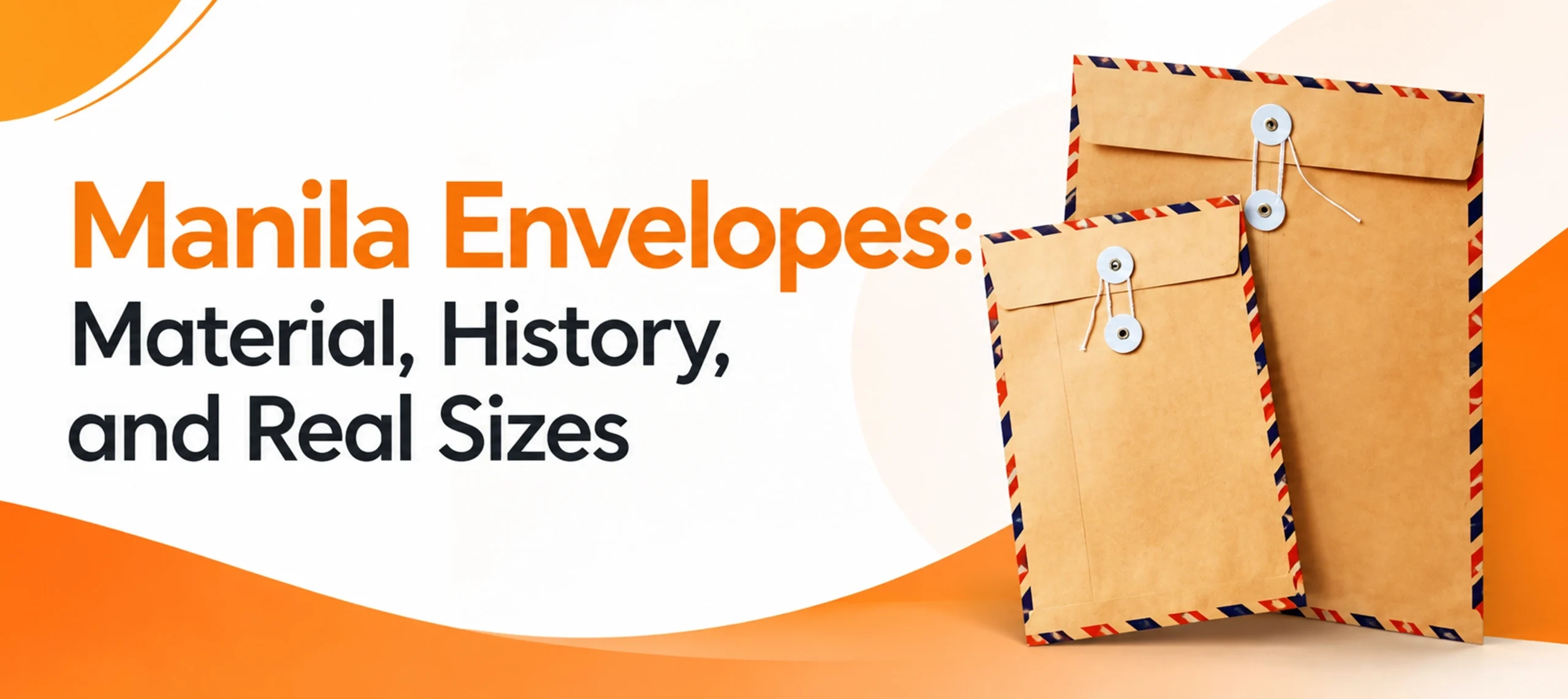
Manila Envelopes: Material, History, and Real Sizes
 By
By Manila envelopes are sturdy, buff colored paper envelopes. They are made to survive mailing and repeated handling without tearing. They are not the same material as kraft paper, even though the two get treated as interchangeable on more than one packaging site. This guide covers what manila paper actually is. It covers where the name really comes from, and the sizes that matter, 6 by 9 up to legal size. If you need the full envelope size chart beyond manila specifically, our standard envelope dimensions guide covers business, legal and the full A and C series.
What Is a Manila Envelope Made Of?
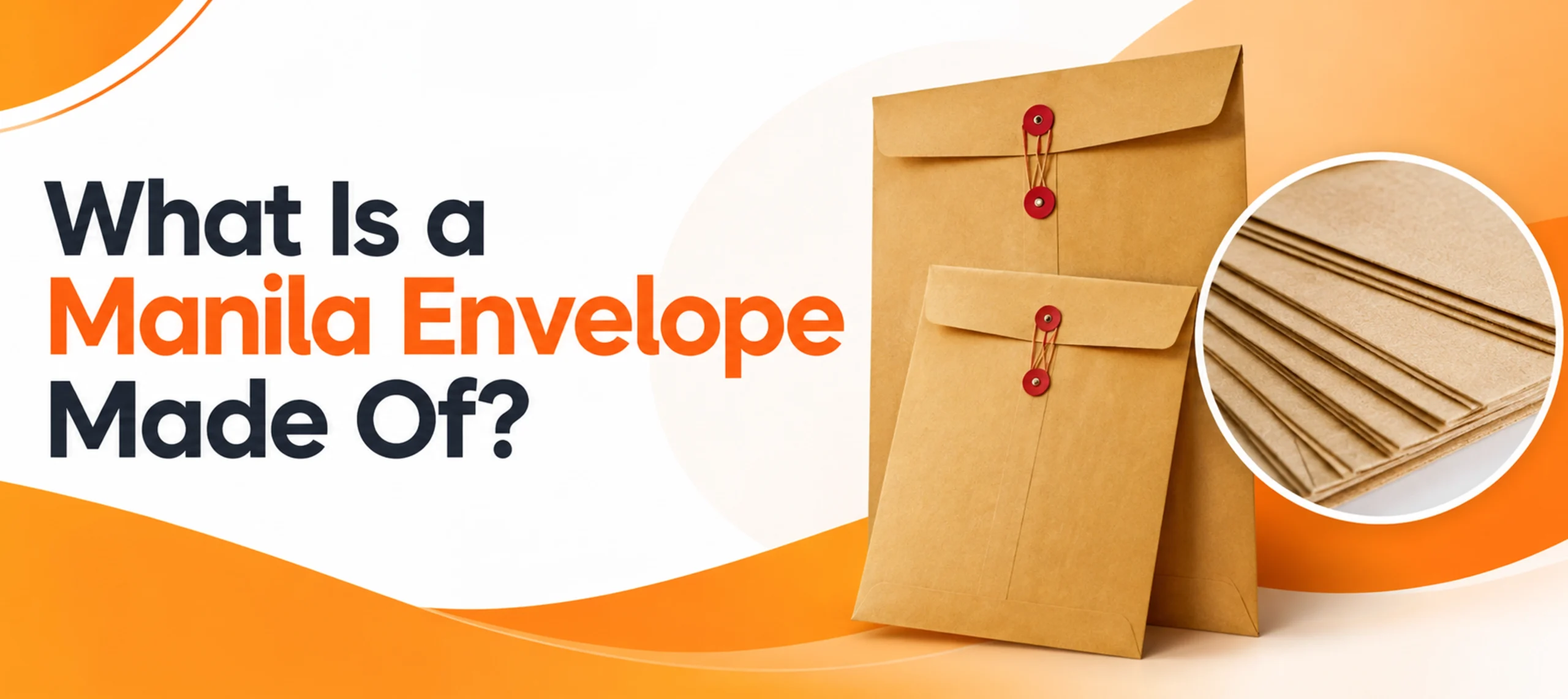
Manila paper is buff colored, with visible fibers. It is strong enough to survive the postal system without a box around it.
According to Wikipedia’s entry on manila paper, the material is “relatively inexpensive” and “just as strong as kraft paper but has better printing qualities, such as stronger pigment retention.” That comparison matters. Manila and kraft are two different papers with comparable strength, not the same material under two names.
Why Is It Called a Manila Envelope?
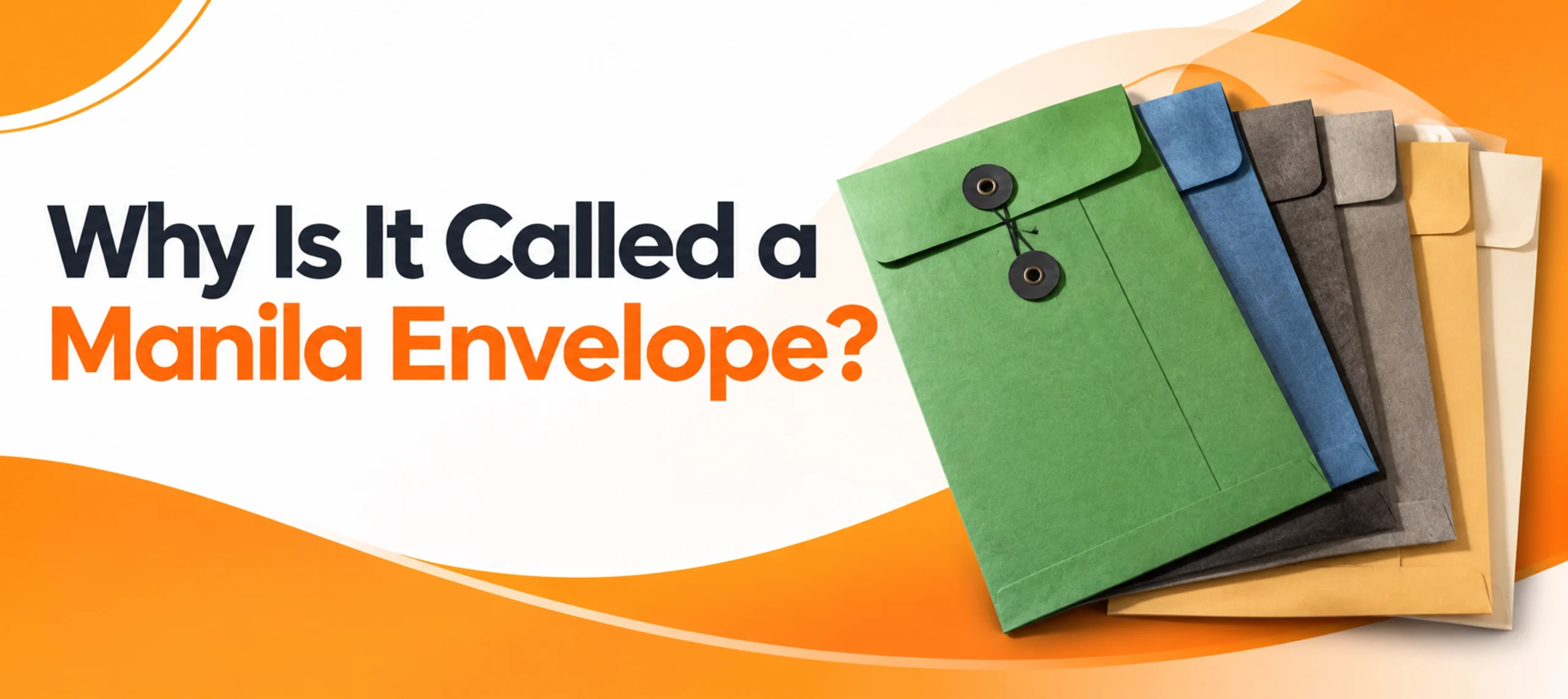
The real story is more specific than “named after Manila hemp.”
Manila hemp, more accurately called abacá, is a fiber from a banana relative native to the Philippines. It was exported through the port of Manila from the early 1800s onward, mostly for rope and rigging. The name manila stuck to the fiber long before it stuck to paper.
Paper came later, and the real origin is worth getting right. In the 1830s, the United States hit a shortage of the cotton and linen rags papermakers relied on at the time. Manila paper’s own history, per Wikipedia, describes it as a way “of recycling manila rope, previously used on ships,” back into pulp, at exactly that moment of shortage. The paper is named after the rope it was made from. That rope was itself named after the port it shipped out of.
Is Manila Paper the Same as Kraft Paper?
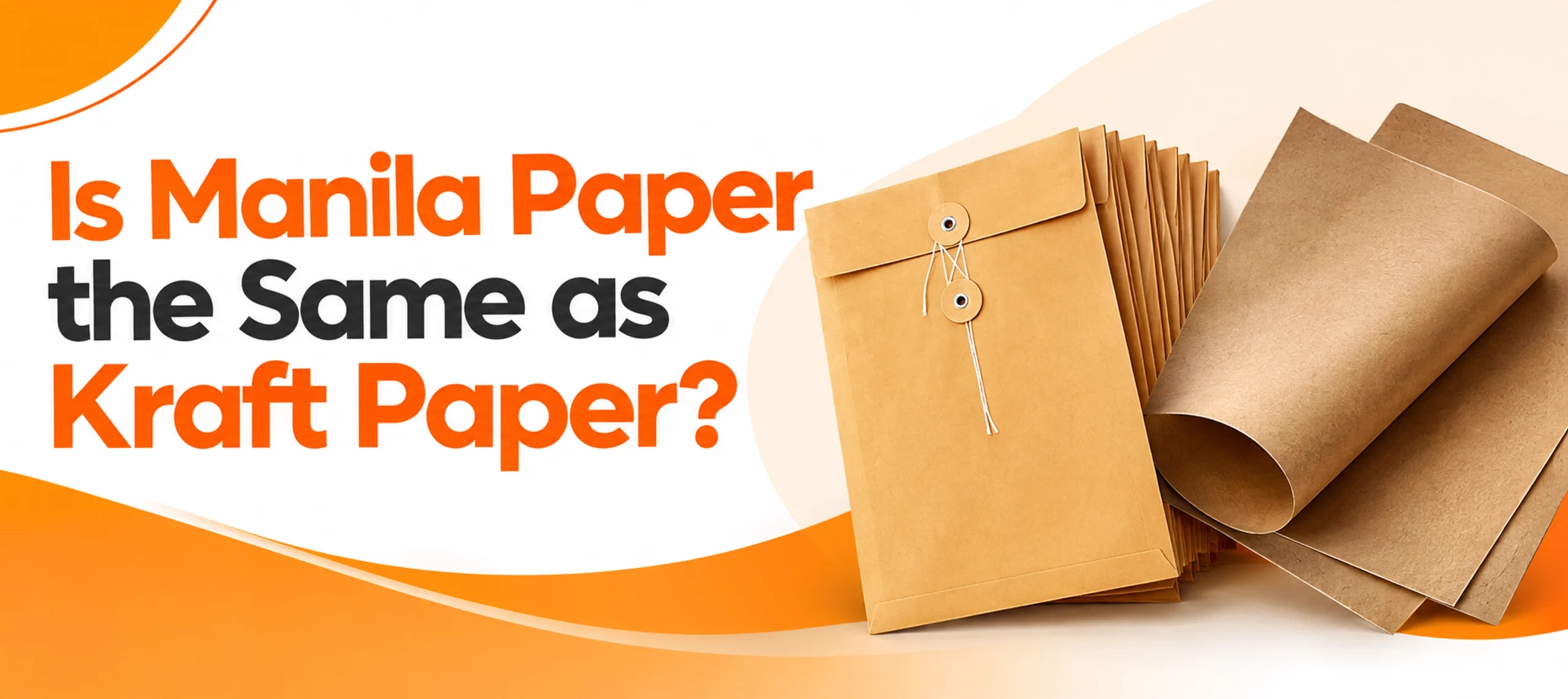
No, and this is worth stating directly, since at least one competitor guide treats them as one material.
Kraft paper is made through the kraft pulping process, using wood fiber. It is what most people picture as standard brown shipping paper. Manila paper has a separate origin. It ties to abacá fiber and recycled rope pulp rather than the kraft process. Wikipedia’s own comparison states manila runs comparably strong to kraft, with better print retention. Similar strength, similar buff to brown coloring, genuinely different material.
For a real kraft option alongside manila, custom sleeves built in kraft stock are worth a look, since the two materials suit different jobs even when they look alike on a shelf.
What Sizes Do Manila Envelopes Come In?
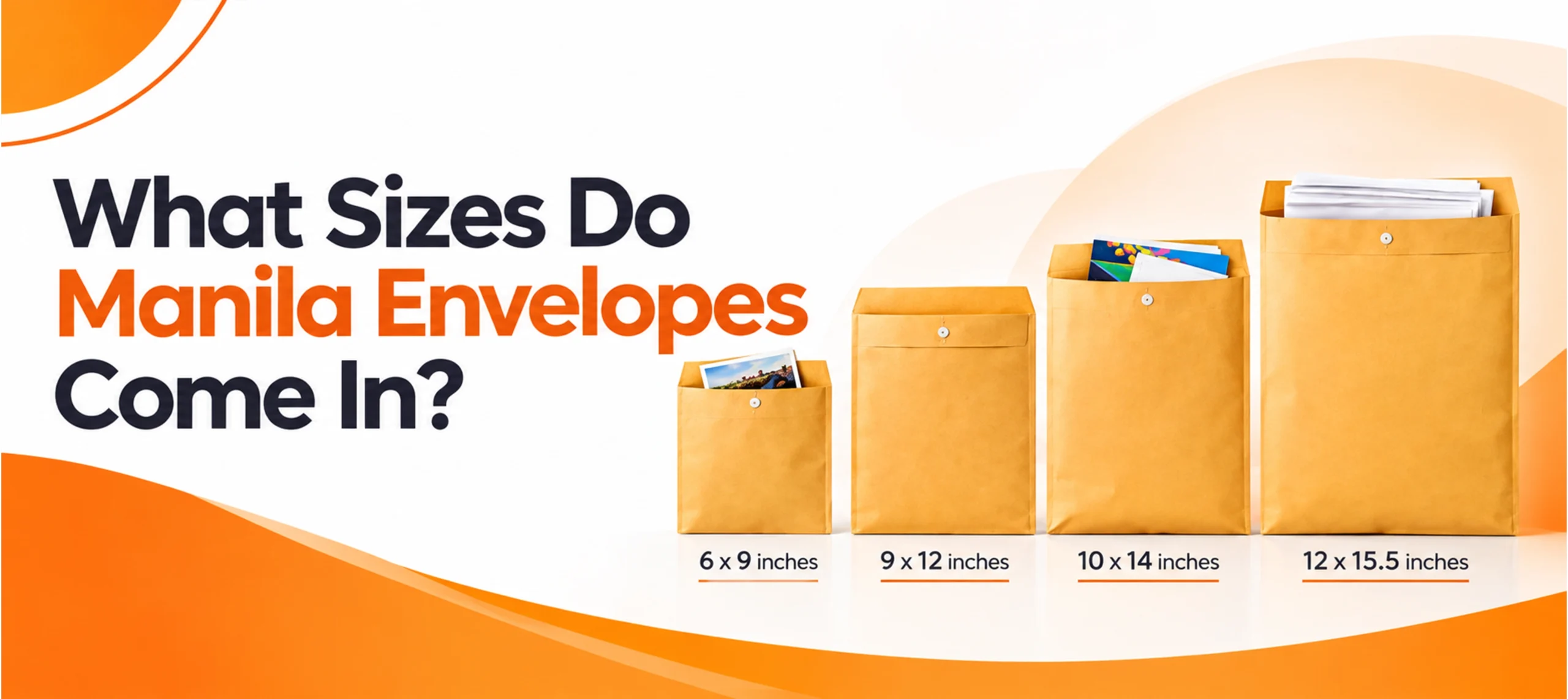
Three sizes cover most of what ships in the United States, with legal size as a fourth for documents that do not fold.
6 by 9 inches is the small size. It suits booklets, small flyers and short documents. 9 by 12 inches is the standard size. It holds an 8.5 by 11 inch letter sized document flat, without folding it. As a rough practical guide, a 9 by 12 holding a handful of sheets typically weighs somewhere around 1 to 2 ounces including the envelope itself. That is worth knowing before you assume a single stamp covers it. 10 by 13 inches is the larger size, built for thicker stacks or folders. It commonly runs closer to 4 to 6 ounces once filled. Legal size, 9.5 by 15 inches, holds a legal document unfolded.
Documents that need more than a paper wall around them, certificates or anything that cannot afford a crease, sometimes call for a divider or a rigid insert rather than the envelope alone. Custom insert boxes add that structure where a plain envelope is not quite enough.
What Are Manila Envelopes Used For?
Documents, certificates, brochures and anything that needs to survive handling without creasing.
The strength that made manila rope useful for ships is the same property that makes manila paper resist tearing better than a lighter weight paper. That is why it became, and stayed, the default for mailing something important flat rather than folded.
Can You Get a Custom Envelope Instead of a Standard One?
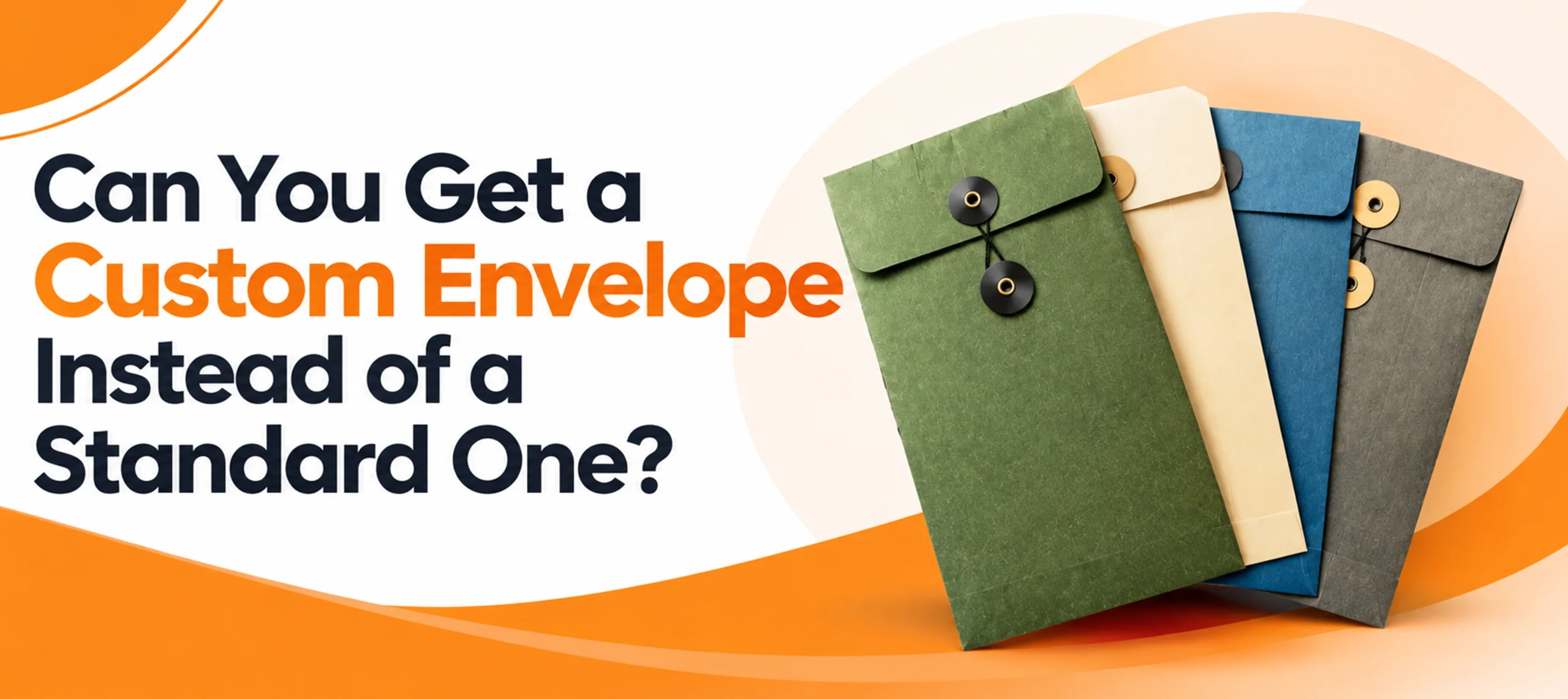
Yes. Custom Boxes Deals manufactures envelopes on the same terms as our boxes, not just the box itself.
We manufacture directly, not through third parties. Design support is free, with no design fees. A free 3D mockup comes before production approval. A real product video of the packaging is sent for approval before bulk production begins. Materials include kraft, corrugated, rigid board, SBS and cardstock. A genuinely different material than plain manila is available where the project calls for it. Our minimum order is 100 units per design.
If the item you are mailing needs more protection than a paper envelope offers, it is worth stepping back and looking at box style more broadly before settling on an envelope at all.
Frequently Asked Questions

What makes an envelope a manila envelope?
The material. Manila paper is a buff colored, strong paper originally made by recycling manila rope pulp, not a specific size or shape.
Is manila paper the same as kraft paper?
No. They are comparably strong and similarly colored, but manila paper has a separate origin tied to abacá fiber and recycled rope pulp, while kraft paper comes from the kraft wood pulping process.
Why is it called manila paper if it is not made from Manila hemp directly?
It is named after manila rope, which was recycled into pulp to make the paper in the 1830s. The rope itself was named after the port of Manila, where abacá fiber for rope was exported.
What is the standard manila envelope size?
9 by 12 inches is the standard size, built to hold an 8.5 by 11 inch letter sized document flat without folding it.
How much postage does a 9 by 12 manila envelope need?
A 9 by 12 with a handful of sheets typically weighs around 1 to 2 ounces including the envelope, which affects postage. Weigh a filled envelope before assuming a single stamp covers it.
Can I order custom printed envelopes?
Yes. Custom envelopes are available on the same terms as our custom boxes, including free design support and a free 3D mockup before production.

Anthony Kim
Hello, I'm Anthony Kim, a seasoned packaging consultant and designer. With a professional journey spanning over four years, I've evolved from a budding designer to a recognized expert in the field. Currently holding the position of Packaging Consultant, I've honed my skills in creating not just visually stunning packaging but also solutions that align with strategic business goals.
View all articles →