Request Your Custom Quote
Tell us what you need. Our team normally replies within one business day.
Embossing vs Debossing: The Real Difference, Sourced
 By
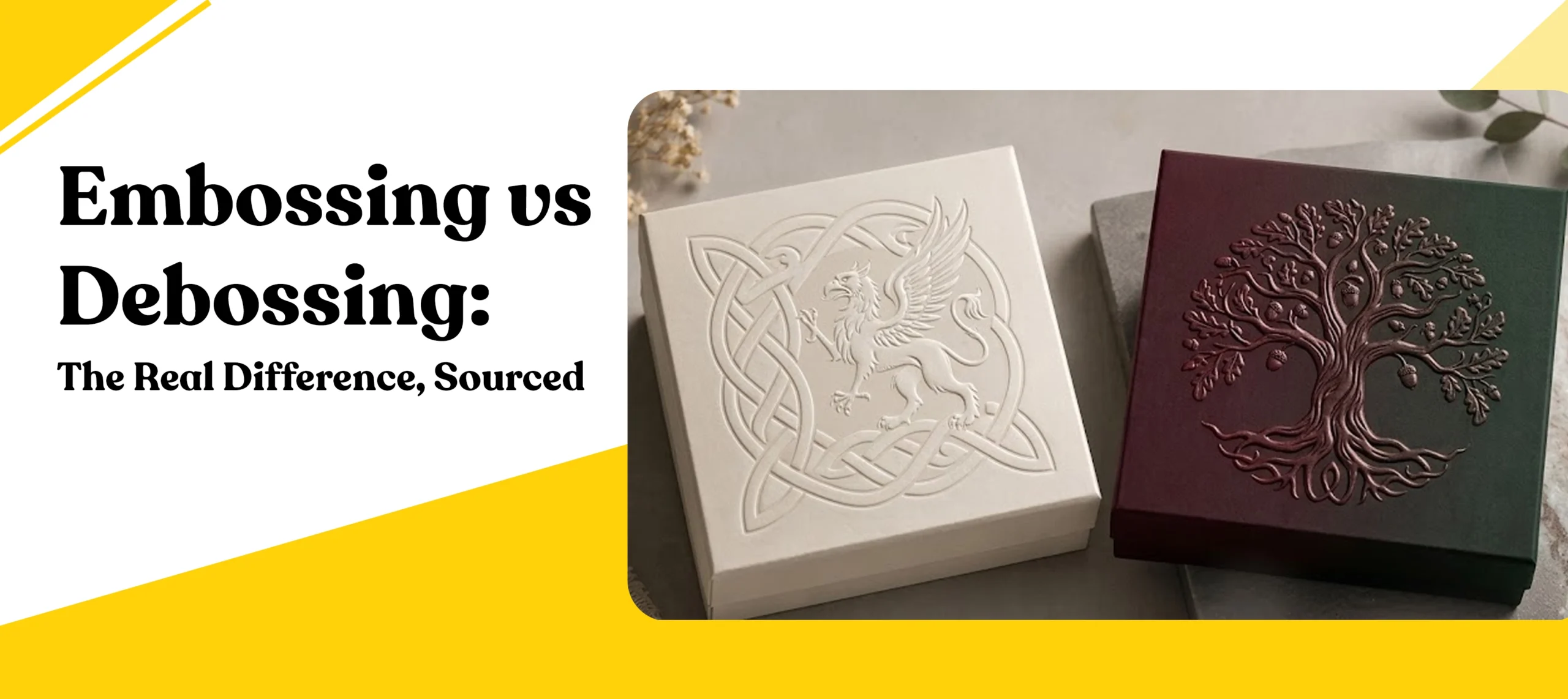
By Embossing raises a design above the surface of paper or board. Debossing presses it below the surface. Both use heat, pressure and a metal die. That basic direction is easy to get right. The tooling and the history are where the confusion starts. Here is the real answer to both, sourced rather than repeated.
What Embossing Actually Is
Embossing pushes a design up from beneath a material, using a die and a counterdie that sandwich the stock between them. The result is a raised area you can see and feel. A logo, a pattern or a line of text can all be embossed. The effect reads as dimensional rather than flat, which is why it shows up so often on business cards and premium packaging.
What Debossing Actually Is
Debossing presses a design down into a material instead of up. The visual result is the opposite of embossing: a sunken, recessed impression rather than a raised one. It is often left blind, meaning no ink or foil is added, for a subtle, understated look. It can also be filled with ink or foil for more contrast.
The Real Difference in How the Dies Work
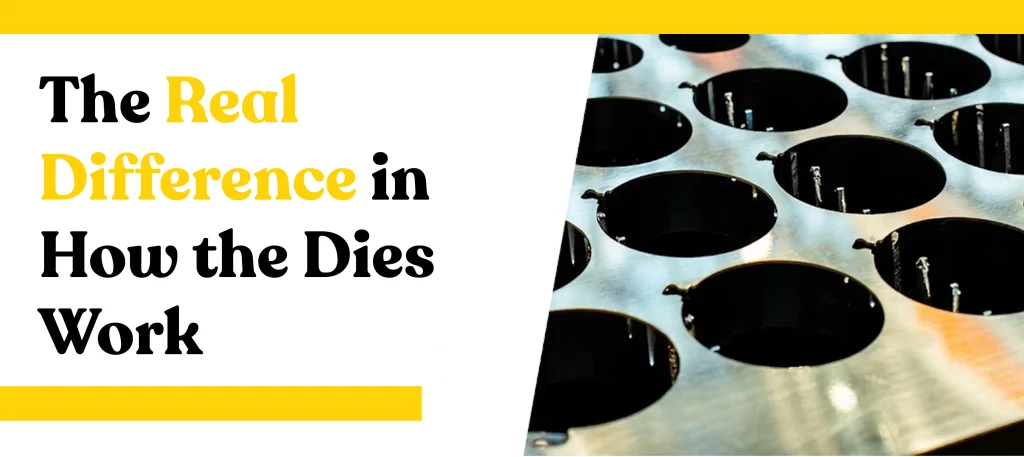
Several pages state that embossing needs two dies while debossing only needs one. That claim does not hold up. PrintWiki, an industry glossary, describes the actual setup: a relief die sits beneath the stock, and a matching counterdie sits above it. The two are pressed together through the material. For a deboss, the same description applies with one change. The positions of the relief die and the counterdie are reversed. Debossing is not a one die shortcut. It uses the identical two piece tooling, flipped.
That correction matters for a simple reason. A cost table built on a wrong die count sets the wrong expectation before a buyer even asks a supplier for a quote.
Where Embossing Actually Comes From
A commonly repeated claim puts the origin of embossing in the 18th century. That figure is too narrow. A documented history of embossing traces the technique back to antiquity. It did not become a commonplace commercial practice until the 19th century, once mass printing made it practical at scale. The specific 18th century date circulating elsewhere most likely comes from a different event. In 1784, Valentin Hauy developed a process for embossing raised letters so blind readers could read by touch. That is a real historical milestone. It belongs to literacy, not to the origin of embossing as a packaging or print finish.
Debossing Is Not the Same Thing as Letterpress Printing
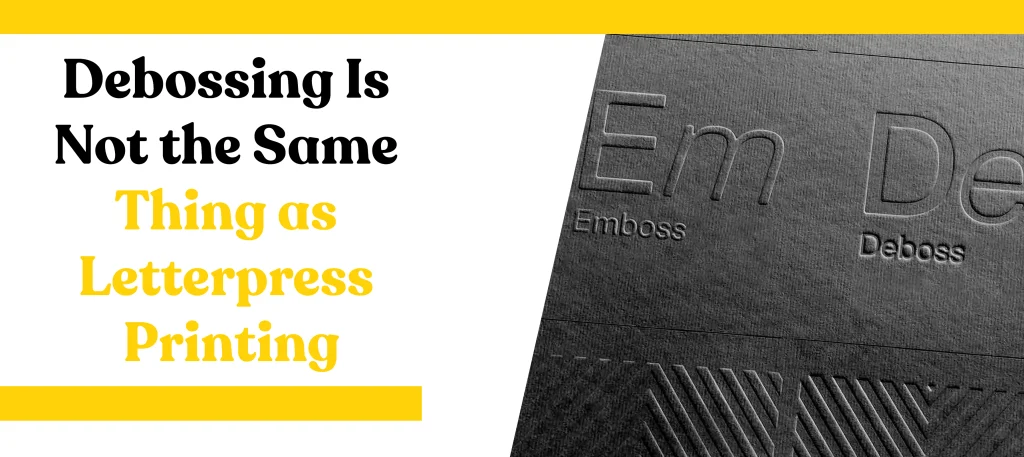
One more claim worth correcting directly. Debossing and letterpress printing are sometimes described as the same technique under two names. They are not. Letterpress applies ink to paper through raised type, and historically aimed for a light, clean impression rather than a deep one. A blind deboss uses no ink at all. It presses texture into the material for its own sake. The two techniques share a family resemblance, a die pressed into paper, but they are built for different jobs.
Which One Should You Choose
Embossing draws attention. The raised surface catches light and stands out under a fingertip, which is why it reads as the more attention grabbing of the two. Debossing reads as quieter and more refined, and it leaves the back of the material untouched in a way a deep emboss does not always allow. Neither one is simply better. A logo meant to announce itself works well embossed. A mark meant to feel understated, like a debossed initial on a premium box lid, often works better pressed in rather than raised up.
Embossing on Custom Boxes Deals Packaging
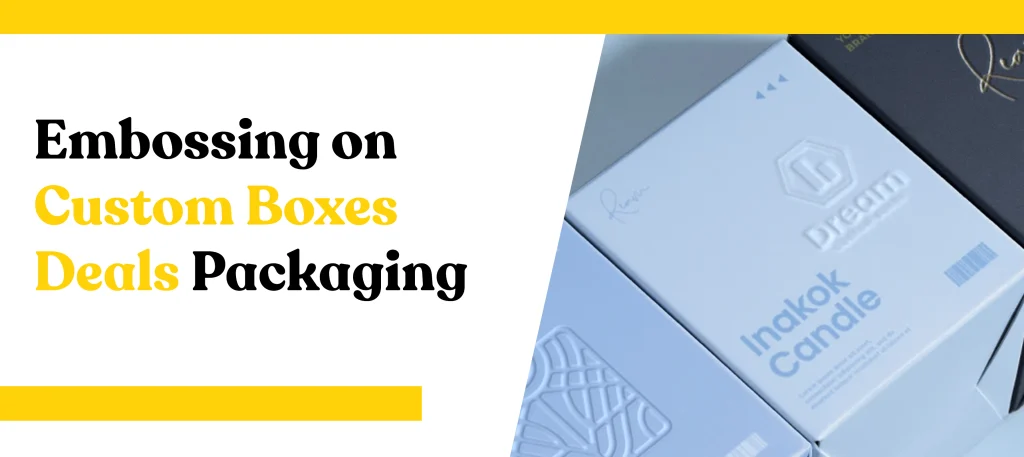
Embossing is a confirmed finish here, alongside foil, Spot UV, and matte or gloss lamination, where the material and box style support it. An embossed pillow box puts a raised logo on a retail ready style built for jewelry, cosmetics or gifts. Custom embossed soap boxes apply the same finish to packaging built for artisan and retail soap. Foil stamping is a closely related finish, built around a different mechanism, worth understanding on its own before deciding between embossing vs debossing for a specific project.
Frequently Asked Questions
What is the difference between embossing and debossing?
Embossing raises a design above the surface of the material. Debossing presses it below the surface. Both use heat, pressure and a metal die.
Does debossing really only need one die?
No. Debossing uses the same relief die and counterdie pair embossing does, with their positions reversed. A cost estimate built on a one die assumption for debossing is starting from the wrong number.
When was embossing invented?
Embossing can be traced back to antiquity, and it did not become a common commercial technique until the 19th century, once mass printing made it practical. An often cited 18th century date more likely traces to a different, unrelated milestone in embossed lettering for blind readers.
Is debossing the same thing as letterpress printing?
No. Letterpress applies ink to paper through raised type. Debossing, when left blind, uses no ink at all and presses texture into the material for its own sake. They are related techniques, not the same one under two names.
Is embossing or debossing more expensive?
Both require a custom die, and cost depends on size, complexity and supplier rather than on a fixed rule that one finish needs more tooling than the other.
Which finish is better for packaging, embossing or debossing?
Neither is universally better. Embossing draws the eye and reads as bolder. Debossing reads as quieter and more refined, and leaves the reverse side of the material undisturbed in a way a deep emboss does not always allow.

Anthony Kim
Hello, I'm Anthony Kim, a seasoned packaging consultant and designer. With a professional journey spanning over four years, I've evolved from a budding designer to a recognized expert in the field. Currently holding the position of Packaging Consultant, I've honed my skills in creating not just visually stunning packaging but also solutions that align with strategic business goals.
View all articles →