Request Your Custom Quote
Tell us what you need. Our team normally replies within one business day.
How to Make Cardboard Waterproof: A Complete Guide With Methods, Costs, and Tips
 By
By Cardboard is a versatile material with great uses. It is light, inexpensive, easy to mold and create a form of almost anything. It does have one big drawback, though: water. A box full of good stuff can quickly become a soggy mess in a mere few minutes if there is a spill or a rainy day of delivery.
Fortunately, there is no need to embrace this weakness. The right technique will allow you to create a cardboard product that will resist rain, spills and dampness. I am going to explain in this well-researched blog how to make cardboard waterproof easily, the best ways to waterproof it yourself or in production, the cost and durability comparison of those waterproofing methods, and the common mistakes people make when taking the task of waterproofing cardboard boxes themselves.
Why Does Cardboard Absorb Moisture?
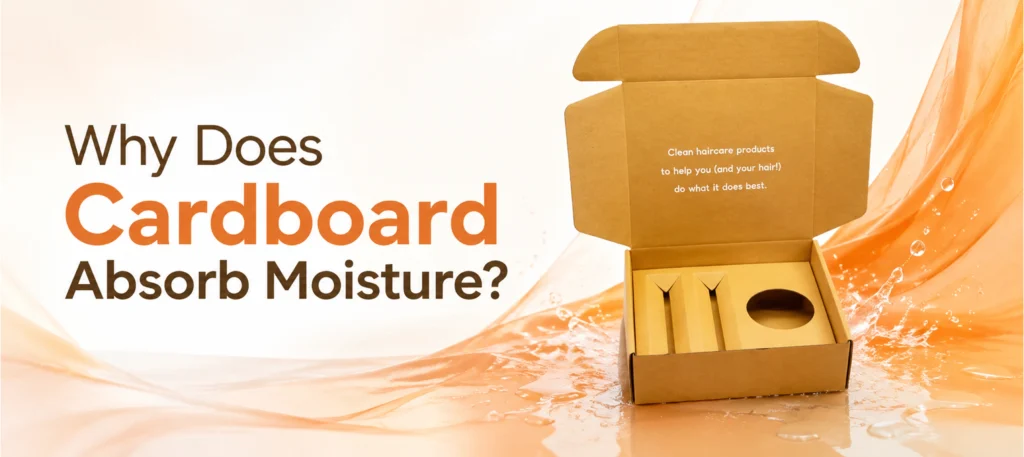
Cardboard is created by pressing fibers of wood pulp together to form sheets. The fibers are porous, meaning they contain small opening that draw water into the fiber as in a sponge. The same structure makes cardboard light and easy to fold, and that is what makes it break easily when it is wet.
cardboard waterproofing, when water gets into the fibers, the fibers begin to become separated from each other. The box becomes soft, lose shape and is unable to hold any weight. This moisture can also create mold and musty odor in humid storage or taking the product out on the road, placing it inside in danger.
Waterproof vs. Water Resistant Cardboard: What is the Difference?
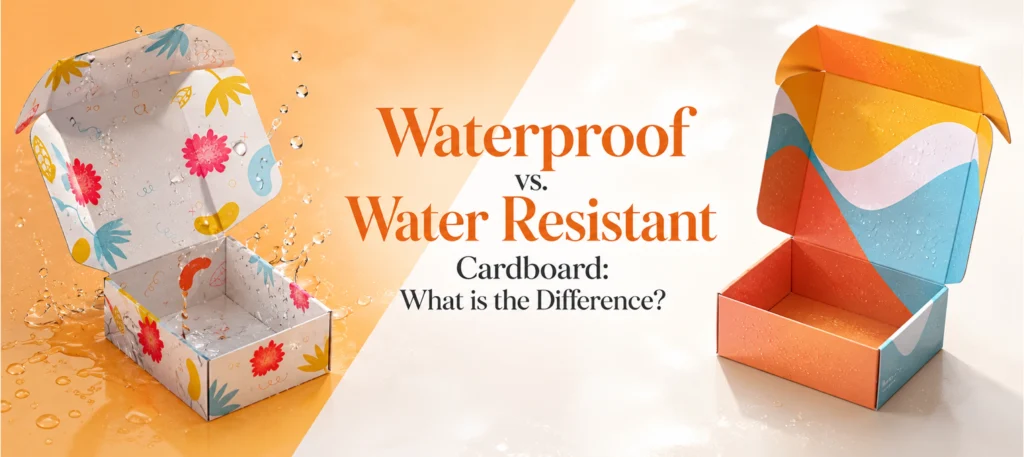
These 2 terms are used interchangeably, but they are not synonymous.
Water resistant cardboard will be able to take light exposure, such as a few drops of rain or a damp surface, without becoming compromised for a short period of time.
The waterproof cardboard is coated or sealed to make it completely waterproof even after repeated or extended exposure. Therefore, they are used to produce robust custom cardboard boxes for various products.
It is important to understand this distinction, as it determines the level of protection your project requires. A custom made box on an inside retail shelf could be simply water resistant. If the box is being sent in the rain, or stored outside, it must be waterproof.
Best Way To Waterproof Cardboard
There are a number of effective methods of waterproofing cardboard and each of them is more effective in some circumstances. Here are some of the methods to know, and how to use them.
Wax Coating For Cardboard
The old school way, to wax it, is still effective. Wax (paraffin) is melted and applied in the form of a brush or dip on the surface of the cardboard. Paraffin wax cardboard cools down and becomes hard to stop water from passing through it. beeswax waterproofing does the same thing, but is just as sustainable and as food safe, and is slightly more pliable than paraffin.
Steps:
Use a double boiler to melt the wax and apply it to a cardboard evenly or dip the cardboard into the melted wax. Allow to set completely before use. This is the answer to your question, how to waterproof cardboard with wax.
Acrylic Spray Sealant
In acrylic coating for cardboard, acrylic sealants create a clear thin protective film over the cardboard that does not alter its appearance. Waterproof spray for cardboard is a good mid-range solution, as it’s more affordable than lamination and simpler to apply than resin. It can be sprayed onto or rolled onto with a brush.
Application:
Spray or brush on a light, even application, allow to dry, then spray or brush on another coat for additional protection.
Polyurethane Coating For Cardboard
The polyurethane coating for cardboard forms a hard, durable, water blocking surface. Available as an oil-based and a water-based. Oil-based polyurethane has a long life and has a strong odor, but it takes longer to dry. Water-based polyurethane dries more quickly, and causes fewer smells, which makes it a better choice for faster turnaround times.
Use:
Apply thin coats until desired color is reached, allowing each coat to dry completely.
Silicone Waterproofing
Another of the best waterproofing cardboard boxes choices is silicone which is extremely durable even in high temperatures. Silicone waterproofing is suitable for cardboard which requires intensive protection over a long period of time. The downside is that it is not as cheap and it does not apply as easily and evenly.
How to use:
Clean the surface, brush or spray a thin layer on it, let it dry, and then brush or spray another thin layer, and let it cure for 24 to 48 hours before use.
Pva Glue On Cardboard
Do you want to know how to waterproof cardboard with PVA glue? If so, stay tuned with me! One of the more economical ways to waterproof is by using a diluted (1/1 PVA glue to water) solution. It does not yellow when dry, so it would not alter the appearance of your water resistant cardboard, and it is safe enough for home projects.
Method:
Combine 50/50 PVA glue and water, apply evenly to cardboard and allow to dry. If you require additional protection, use another coat.
Lamination (Plastic Coating)
Plastic coating for cardboard is the process of applying a thin layer of plastic to the cardboard with heat and pressure. It provides a clean, professional look and is waterproof, so it is often used in the packaging of foodstores and retail products. The downsides are increased production cost and less recyclability once the plastic layer is affixed to the fiber.
A Solid Epoxy Resin Or Fiberglass Resin
Fiberglass resin on cardboard or epoxy resin for cardboard are hard to beat for maximum strength. It forms a hard almost plastic shell after curing which can withstand intense exposure to the outside environment. It is the most costly and most complex method on this list and requires proper ventilation and safety equipment when applying this method.
Linseed Oil Waterproofing
Linseed oil penetrates the cardboard fibers and becomes a natural waterproof coating for cardboard. Inexpensive and frequently employed for craft projects, but will affect the colour of the cardboard and make it more difficult to recycle in the future.
Duct Tape Waterproof: Packing Tape
While tape alone will not waterproof an entire box, it is the quickest remedy to cover the weakest areas, edges and seams. These areas are first points of water entry and are typically filled with duct tape or a special waterproof packing tape.
Method:
Make sure that the edges and seams are completely covered, with a small overlap between each section to ensure there are no open areas, and press down firmly to get waterproof sealant for cardboard completely.
Which Method Should You Choose? A Comparison Table
Every method above has a place. The right one depends on your budget, how the cardboard will be used, and how much protection it really needs. Here is how they stack up side by side.
| Method | Waterproofing Level | Cost | Drying/Curing Time | Flexibility | Outdoor Suitability | Food-Packaging Suitability | Recyclability | Best Use Case |
| Wax Coating | Medium-High | Low | 1-2 hours | High | Moderate | Yes (food-grade wax) | Reduced | Food boxes, short-term shipping |
| Waterproof Spray | Medium | Low | 30-60 minutes | High | Low-Moderate | Depends on formula | Reduced | Quick, small-scale protection |
| Acrylic Coating | Medium | Low-Medium | 1-2 hours per coat | High | Moderate | Yes (non-toxic types) | Reduced | Everyday boxes, craft projects |
| Polyurethane Coating | High | Medium | 4-24 hours | Medium | High | No | Reduced | Long-term storage, durable boxes |
| Silicone Coating | Very High | Medium-High | 24-48 hours (curing) | Medium | High | No | Low | Heavy-duty or extreme moisture use |
| PVA Glue | Low-Medium | Very Low | 2-4 hours | High | Low | Yes | High | DIY projects, light indoor use |
| Lamination | High | Medium-High | Same-day (machine-applied) | Low-Medium | High | Yes | Low | Retail packaging, food display boxes |
| Fiberglass/Epoxy Resin | Very High | High | 12-24 hours | Very Low | Very High | No | Very Low | Outdoor, industrial, heavy-duty use |
| Linseed Oil | Medium | Low | 24-48 hours | Medium | Moderate | No | Reduced | Craft and DIY natural finishing |
| Duct/Waterproof Tape | Medium (seams only) | Very Low | Instant | High | Moderate | No | Reduced (on taped area) | Sealing edges and seams |
The Use Case Should Identify The Best Method In Accordance With The Listed Use Case
You will receive the how-to guide in this section about their uses in different industries.
- When it comes to food packaging: Use a wax coating or a certified food safe acrylic coating. Do not use silicone, resin or polyurethane, which are not intended for direct food contact.
- how to waterproof cardboard for outdoor use: Fiberglass resin, silicone coating or polyurethane will resist the effects of rain and rough handling best.
- If it is a rapid home project or craft: then PVA glue or a waterproof spray will suffice with a minor expense and effort.
Lamination provides the cleanest and most refined look, yet remains waterproof, for photo ready boxes for retail.
Indoor vs. Outdoor Waterproofing
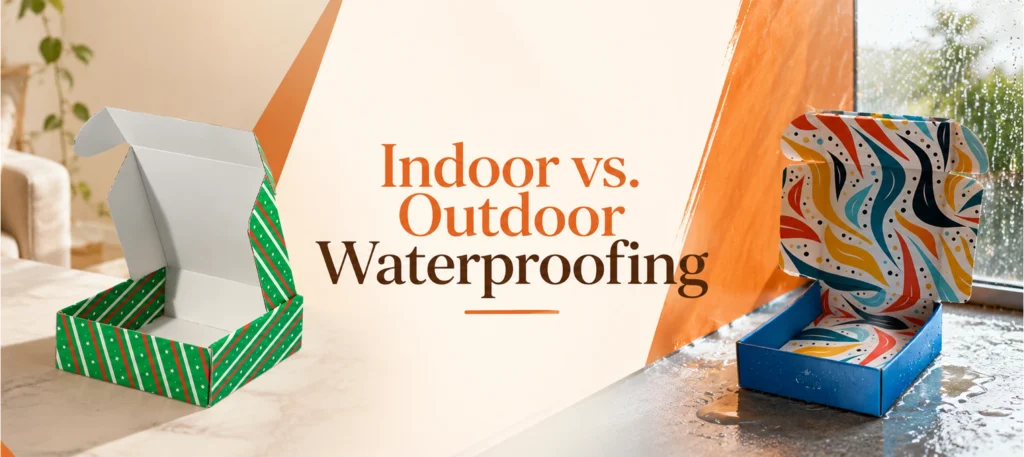
A lighter solution such as wax, PVA glue or acrylic spray will generally suffice with the light humidity and occasional spill or condensation that an indoor storage area has to cope with. Outdoors things are different. Cardboard has a much tougher barrier like polyurethane, silicone or resin and sealed seams to prevent water from seeping through to the edges to create a stronger barrier due to the stresses of rain, temperature fluctuations and direct sunlight.
Waterproofing Edges and Seams
Most cardboard failures don’t begin at the flat surface. They begin on the seams, corners and edges of flaps where fibers are exposed and water can enter the easiest. Regardless of what type of surface you are using, add another layer of coating over these areas, or add waterproof tape to reinforce. One of the most frequent causes of waterproof product boxes leaking is that they do not provide a water seal in the first place.
Why is drying and curing time important?
The coating job is not complete until it’s applied. To actually work every method requires the right drying/curing time. Silicone and resin take a long time to cure, PVA glue and wax dry after a while but before this the box will need full use. Cardboard coated without complete cure will not be as durable and will not protect as long as it should.
Recyclability Impact Of Waterproofing
It is important to be aware of the fact that the majority of waterproofing techniques will decrease and in some cases wipe out the recycling capabilities of cardboard boxes. Because of the tight bond between the resin and fiber, plastic lamination is difficult to separate in the recycling process. Similarly, wax coatings and oils on waterproof cardboard have a negative impact on recyclability, but to a lesser extent. If you are thinking about your brand or project, and sustainability is important, then opt for a water-based acrylic or PVA glue, as it poses the least risk to the recycling process.
Food-Contact Considerations
When using for food that will actually touch the cardboard, safety is the most important. Some types of acrylic sealant and paraffin wax used for food are safe for such contact. Silicone coatings, polyurethane, resin and linseed oil are not to be used for food contact and should not be in direct contact with the food.
Here are some of the common mistakes to avoid when waterproofing cardboard to achieve better results.
The following are some of the common pitfalls to avoid when having a hair transplant in order to get the best results from the procedure.
- Avoid use of a test patch: Always use a small patch first to see if it is discolored or changes flexibility.
- One thin coat: If you apply one thin coat it will not last long. There are many times more than one coat that provide far better and longer protection.
- Do not pay any attention to seams and corners: These are the first places where water can enter, so they must be treated to pay special attention.
- Rushing the drying time: If the cardboard is used prior to complete curing, it reduces the overall effectiveness of the waterproofing.
- Incorrect method of packaging the food: Not all packaging can be used for food; always use the appropriate packaging for the food.
Maintenance and Reapplication
All waterproof surface coatings are not perpetual. Over time sprays and wax finishes deteriorate with repeated handling or exposure to the sun, requiring reapplication. To slow this down, waterproofed cardboard should be stored in a cool, dry, and away from the sun. Regularly checking boxes for peeling, cracking or thinning paint will help you detect issues before moisture can invade.
Final Thoughts
Cardboard is not necessarily fragile around water. When the purpose of the use is figured out, you can use the simplest technique to create a waterproof cardboard box that can withstand rain, spills and rough handling. Whether you are lamination boxes for a simple DIY finish or a full lamination finish for retail-ready custom cardboard cartons, the one aim remains the same: To keep the contents protected.
For those who want to get custom packaging solutions that do not require any guesswork, Custom Boxes Deals can assist. Our variety of custom packaging boxes is made using the right materials and finishes for each application. We help brands to get packaging that is strong from the warehouse to the doorstep.
Frequently Asked Question
Can you make cardboard fully waterproof at home?
Yes. Methods like wax coating, PVA glue, and acrylic spray sealant can all be done at home with basic tools and still give strong water resistance.
What is the cheapest way to waterproof cardboard?
Diluted PVA glue is the most affordable option, followed closely by wax coating and basic waterproof sprays.
Is wax coating safe for food packaging?
Yes, as long as you use a food-grade paraffin or beeswax. Always check the label before using it on packaging that will touch food directly.
How long does waterproof cardboard last?
It depends on the method and storage conditions. Wax and spray coatings may need reapplication every few months, while polyurethane, silicone, and resin finishes last much longer.
Does waterproofing cardboard affect recycling?
Yes, most coatings make cardboard harder to recycle. Plastic lamination and resin have the biggest impact, while PVA glue and water-based acrylic have the smallest.
What is the best method for outdoor cardboard boxes?
Silicone coating, polyurethane, or fiberglass resin give the strongest protection for cardboard exposed to rain, sun, or rough outdoor conditions.
How do I waterproof the edges of a cardboard box?
Seal edges and seams with waterproof packing tape or duct tape, or apply an extra coat of your chosen sealant directly over these areas, since they are the most common entry points for moisture.

Anthony Kim
Hello, I'm Anthony Kim, a seasoned packaging consultant and designer. With a professional journey spanning over four years, I've evolved from a budding designer to a recognized expert in the field. Currently holding the position of Packaging Consultant, I've honed my skills in creating not just visually stunning packaging but also solutions that align with strategic business goals.
View all articles →