Request Your Custom Quote
Tell us what you need. Our team normally replies within one business day.
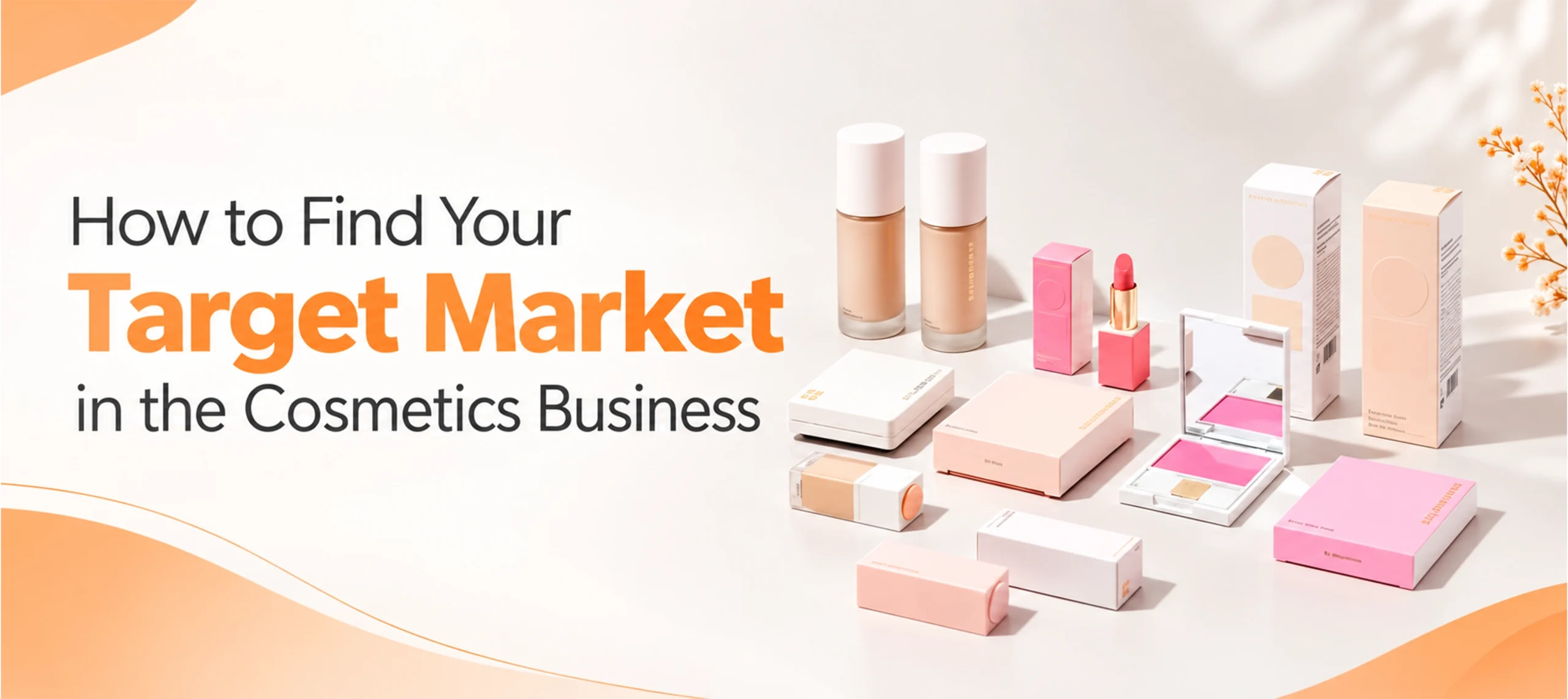
How to Find Your Target Market in the Cosmetics Business
 By
By A target market is the specific group of people most likely to buy from you. Selling to everyone usually means selling to no one. Here is a practical way to find that group, along with two corrections to claims repeated across the search results for this question.
What a Target Market Actually Is
A target market is the audience most likely to want, and pay for, what a business sells. In cosmetics, that could mean budget conscious young shoppers, busy parents looking for a fast routine, or shoppers who specifically want cruelty free or vegan products. It could mean men shopping for grooming products built for them. Choosing a target market means choosing who a brand talks to. It also means accepting that not everyone is that person.
Why This Matters Before Anything Else
Trying to appeal to everyone usually produces vague messaging. That messaging ends up appealing to no one. Knowing a target market first changes several things at once. Advertising spend goes toward the media that audience uses. Product decisions reflect what that specific group wants. Messaging feels aimed at someone, not everyone. None of that is possible without picking a group first.
How to Identify Your Target Market
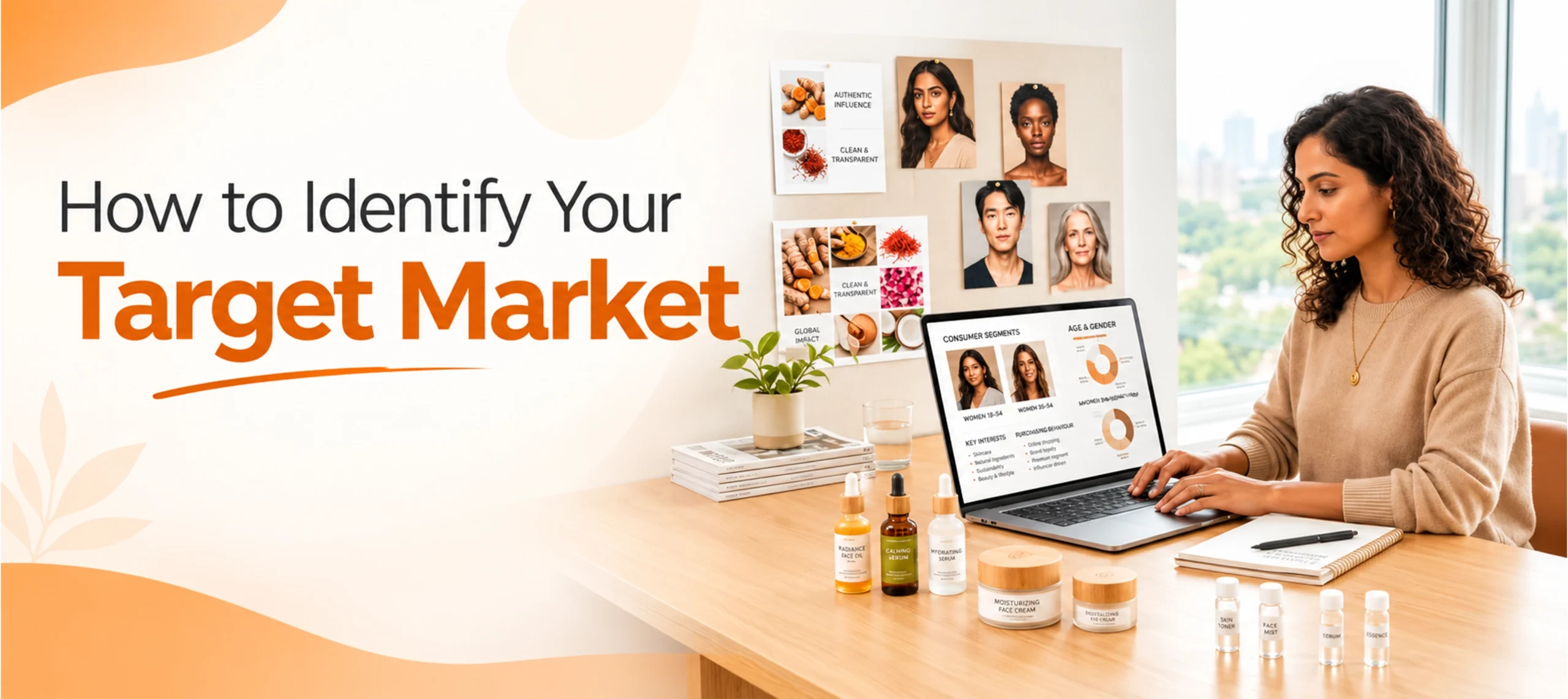
Start with the product itself. What problem does it solve? What makes it different from a similar product on the same shelf? A sustainably formulated lipstick likely points toward a buyer who cares about the environment. That answer shapes everything that follows.
Existing customers are the next place to look, if a business has any. Age, location, income and buying habits in that existing customer base often reveal a real pattern. That pattern is worth building on rather than guessing at.
Competitors are also worth studying directly. Who they market to, what tone they use, and where they spend ad money all say something about where the audience already is. The goal is not to copy them. It is to learn from where they have already spent money finding out.
Building a real customer persona helps too. Give that persona a name, an age range, a location, a set of interests and a specific challenge. That turns an abstract audience into someone a marketing message can be written for.
Surveys and direct interviews are one of the best ways to learn what an audience wants. That beats guessing what a business assumes they want. A short survey with a real reward, through a tool like Google Forms, usually gets real answers.
Where to Actually Find Them
Instagram Insights and Facebook Audience Insights remain free. Both are built in tools that show real data about who already follows and engages with a brand. A social media tool list circulating elsewhere also names Twitter Analytics as a third free option alongside these two. That is no longer accurate. Following the platform’s 2023 rebrand, the tool is now called X Analytics. Full account level access now needs a paid Premium plan. It is not open to every account the way it once was. A plan built on three equally free tools gets one of them wrong.
Beauty communities are also worth watching directly. Beauty subreddits, beauty blogs and forums, and influencers with the right audience all count. Industry events and pop up shops add a real, in person version of the same research.
The Real Story Behind “Emotions Drive Purchases”
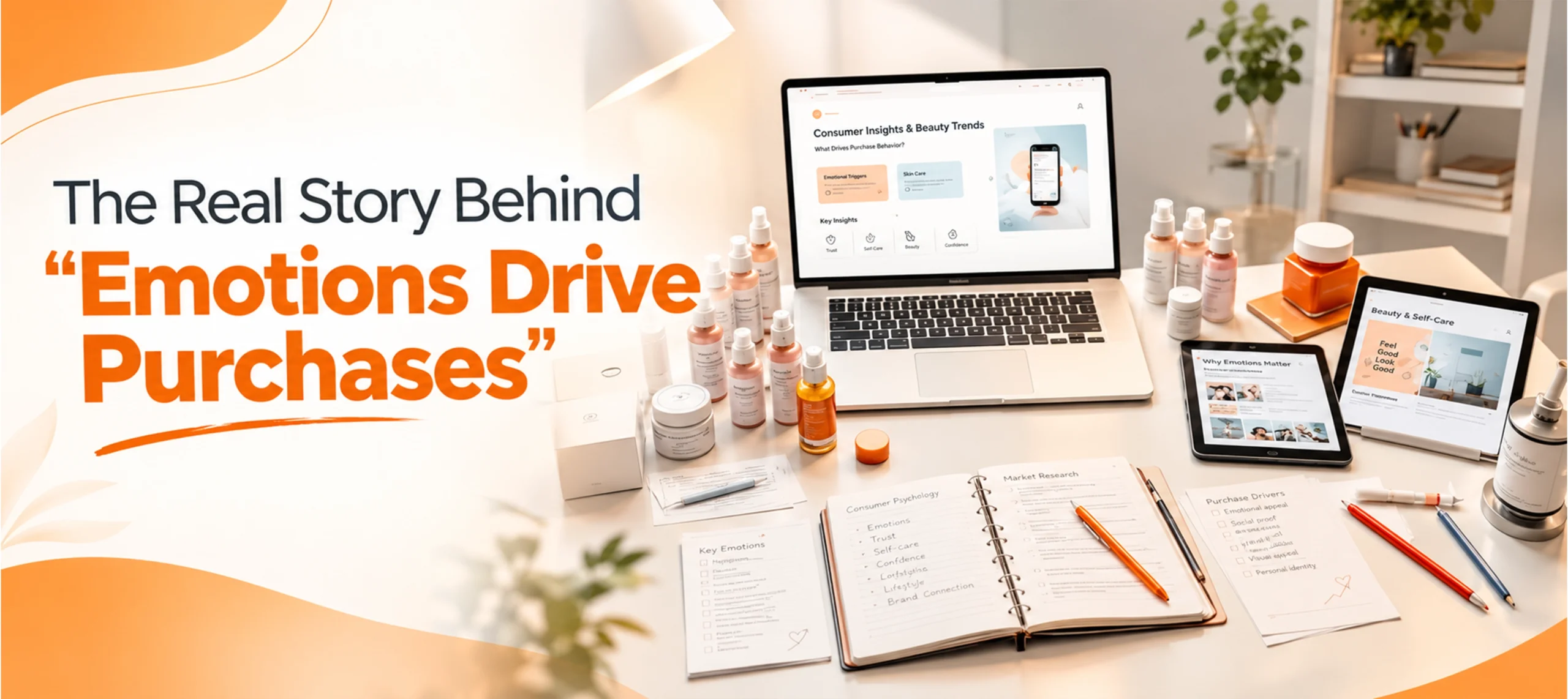
A statistic repeated across many marketing pages claims 90 to 95 percent of purchase decisions are made through emotion. That number does not trace back to what it claims to. The real, citable version of this claim comes from Harvard professor Gerald Zaltman. He proposed that roughly 95 percent of purchase decision making happens in the subconscious mind, not through emotion alone. Subconscious processing covers habit and pattern, not just emotion. The two are not the same thing.
There is a second problem with the number itself. Sources examining Zaltman’s own claim describe it as an estimate, not the result of a measured study. They note that the real share of non conscious decisions cannot really be measured at all. Zaltman himself also states that the conscious, rational mind still plays a real role. That role matters most later in a purchase decision. Emotional appeal genuinely matters in beauty marketing. It is not, however, a measured 90 to 95 percent of the whole decision.
The Market Size Question, Honestly
Some pages state that the beauty ecommerce market grew from roughly 600 billion dollars in 2020 to an expected 700 billion dollars by 2025. That figure is attributed only to “Statista,” with no link. It does not hold up cleanly against current published data. Estimates for 2024 and 2025 vary by a wide margin, depending on exactly what is being measured. Some put the cosmetics ecommerce market alone at roughly 78 billion dollars. Others put broader digital beauty and personal care sales at roughly 227 billion dollars. Rather than repeat one unsourced figure, or swap in a different sounding number, the honest answer is simpler. This market is large, growing, and measured differently by different analysts.
Mistakes to Avoid
Treating “everyone” as a target market is not caution. It is the mistake itself. Picking an audience by instinct, not research, builds a brand around a guess. Not a real customer. Ignoring what existing customers say, in reviews and direct feedback, throws away the easiest research a business already has.
Packaging for a Defined Target Market
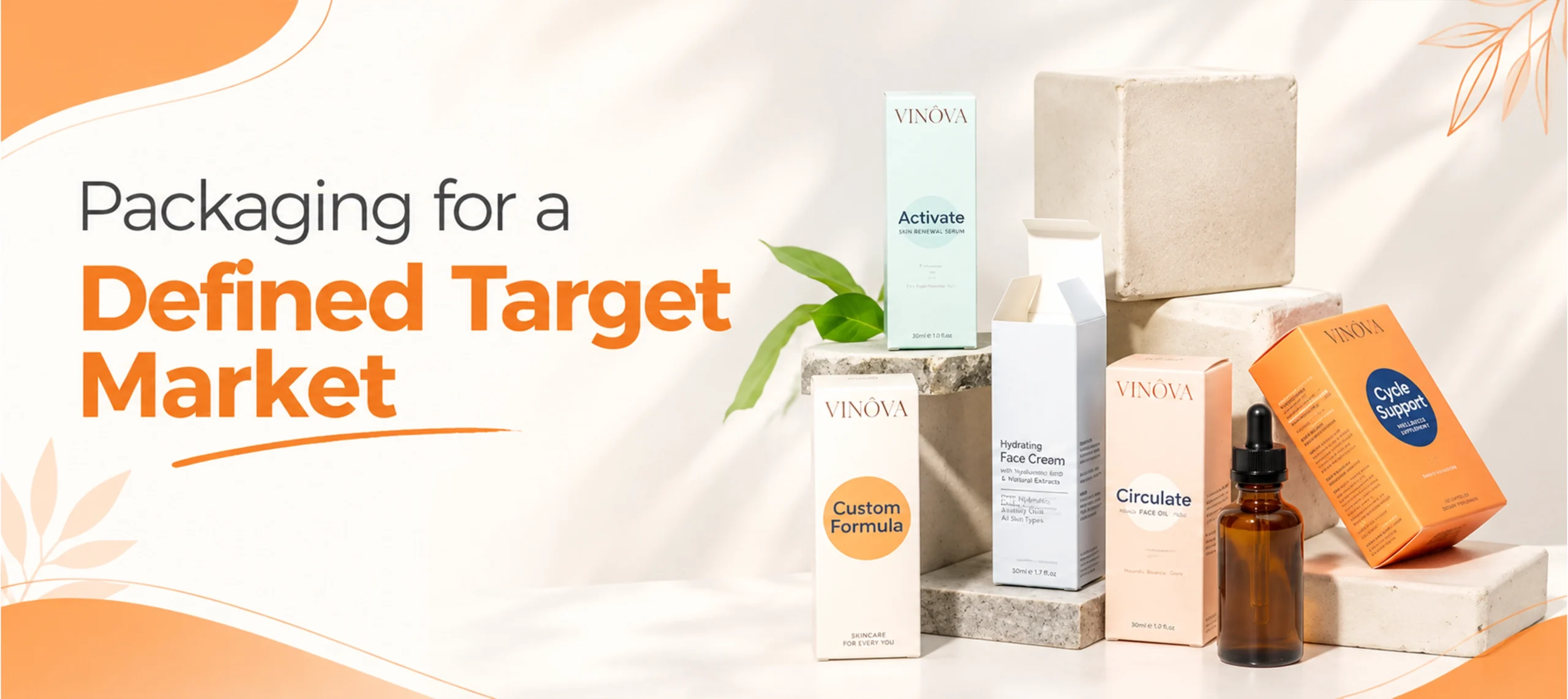
Once a target market is clear, packaging is one of the places that clarity should show up. Custom cosmetic boxes covers packaging built for the cosmetics category, sized and finished for the product inside rather than treated as an afterthought. For a brand working with beauty influencers as part of reaching that audience, what a PR package actually is is the natural next question once the target market itself is defined.
Frequently Asked Questions
What is a target market in the cosmetics business?
The specific group of people most likely to want and pay for a particular cosmetics product, defined by shared traits like age, income, values or a specific skin concern.
Is it true that 90 to 95 percent of purchase decisions are made through emotion?
Not quite. The real, traceable claim, from Harvard professor Gerald Zaltman, is that roughly 95 percent of purchase decision making happens in the subconscious mind, an estimate Zaltman’s own work describes as unmeasured, not a settled fact about emotion alone.
Is Twitter Analytics still a free tool for researching an audience?
No. Following the platform’s rebrand to X, the tool is now called X Analytics and requires a paid Premium subscription. Instagram Insights and Facebook Audience Insights remain free.
How big is the beauty ecommerce market?
Estimates vary widely by source and by what is measured, from roughly 78 billion dollars for cosmetics ecommerce alone to roughly 227 billion dollars for broader digital beauty and personal care sales in recent estimates. No single figure is agreed on across sources.
What is the fastest way to start identifying a target market?
Start with the product itself: what problem it solves and what makes it different. That answer usually points directly toward the kind of buyer most likely to want it. That single question is the real starting point for how to find your target market in the cosmetics business, before any tool or survey gets involved.
Does packaging matter once a target market is defined?
Yes. Packaging built for the specific product and audience, rather than a generic default, is one of the clearest places a defined target market should show up.

Anthony Kim
Hello, I'm Anthony Kim, a seasoned packaging consultant and designer. With a professional journey spanning over four years, I've evolved from a budding designer to a recognized expert in the field. Currently holding the position of Packaging Consultant, I've honed my skills in creating not just visually stunning packaging but also solutions that align with strategic business goals.
View all articles →