Request Your Custom Quote
Tell us what you need. Our team normally replies within one business day.
What Is Foil Stamping? The Real Process, Sourced
 By
By Foil stamping is a printing process that presses a thin metallic or pigmented film onto a surface using heat and pressure, or in a newer version, no heat at all. It is the shiny gold logo on a wine label, the silver edge on a business card, the metallic accent on a perfume box. If you have looked at custom pillow boxes with foiling and wondered how the effect is actually made, here is the real answer, sourced rather than asserted.
Where Foil Stamping Actually Comes From
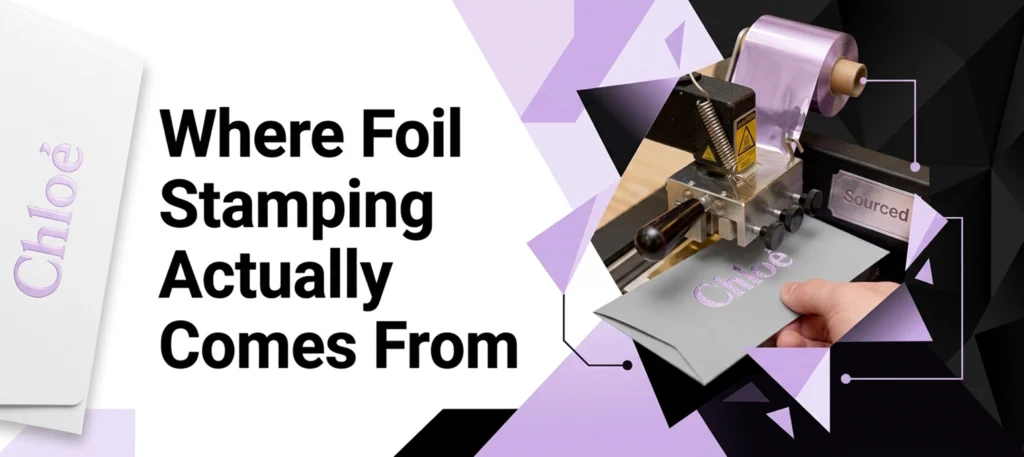
Several packaging blogs trace foil stamping to ancient history. That claim does not hold up. The mechanized version has a real date and a real name behind it. Ernst Oeser recorded the first hot stamping patent in Germany in 1892. Gold leaf decoration itself is old. Foil stamping as a repeatable industrial process is not.
How Foil Stamping Works
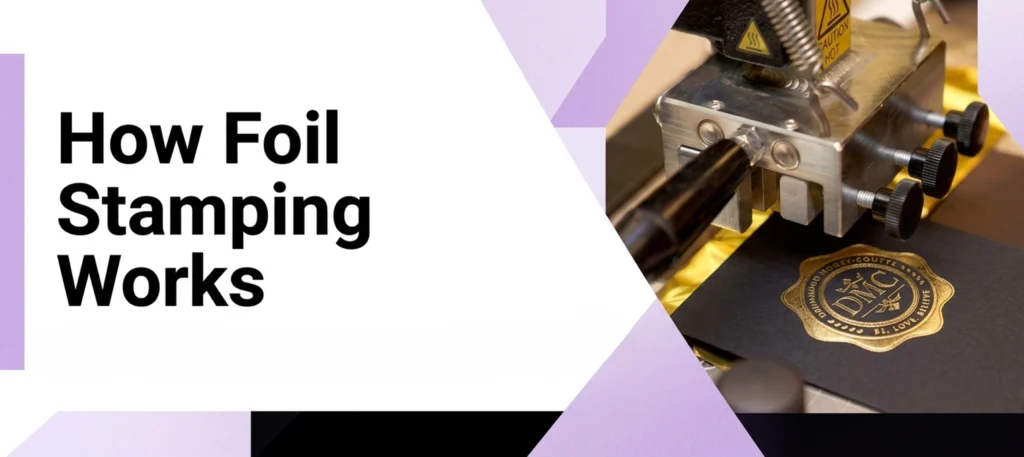
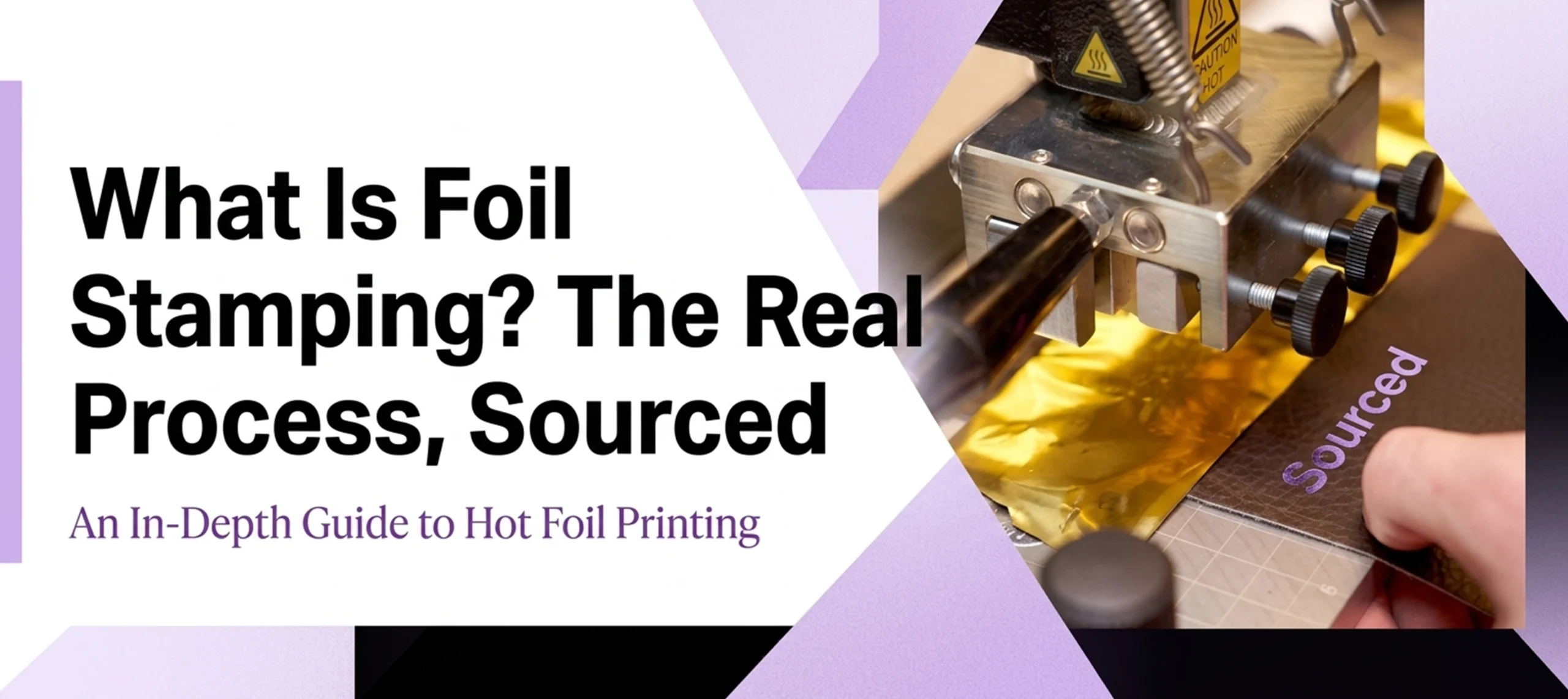
A heated metal die is cut in the shape of the design. It presses down on a roll of foil sitting against the material below. Heat and pressure activate an adhesive layer on the back of the foil. Where the die touches, the foil bonds and releases from its plastic carrier sheet. Everywhere else, the foil lifts away untouched. That is the whole mechanism: a shaped die, heat, pressure, and a foil built in layers for exactly that.
Hot Foil Versus Cold Foil, the Real Difference
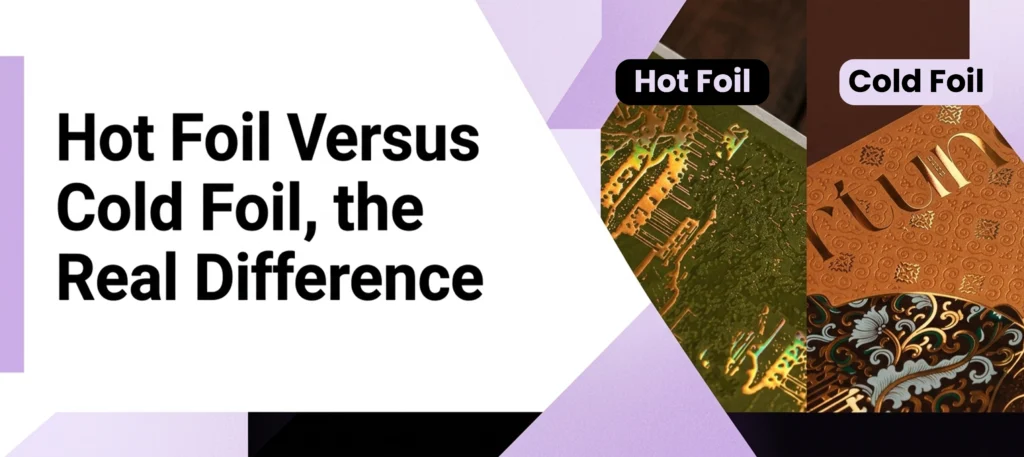
“One uses heat and one does not” is true. It is not an explanation. Here is the actual mechanism. Cold foil skips the heated die entirely. A printing press applies a UV curable adhesive in the shape of the design. A UV lamp cures that adhesive until it turns tacky. The foil is pressed against it and bonds through pressure alone. No die. No heat.
The practical difference follows from that. A hot stamping die is engraved metal. It can take up to two weeks to produce. A cold foil printing plate is far cheaper and can be made in hours. Cold foil also runs inline with regular printing. It handles fine detail and gradients better than a hot die can. Hot foil still wins on tactile depth. The heat and pressure genuinely deboss the surface, an effect cold foil does not produce.
Is Foil Stamping Recyclable
Here is a real answer, sourced rather than assumed. The Foil and Specialty Effects Association is the US trade body for this industry, founded in 1992. It states directly that fiber based foil decorated materials are recyclable. They are currently being sorted by material recovery facilities. That finding is backed by named research: a Van Dyk Technology Center study, plus a separate cold foil repulpability study from Eagle Systems. Both were folded into the American Forest and Paper Association’s own design guide. A small metallic accent on an otherwise paper based box does not automatically take the whole box out of the recycling stream. The full construction, coatings included, is what actually decides that for any one product.
Foil Stamping Versus Embossing
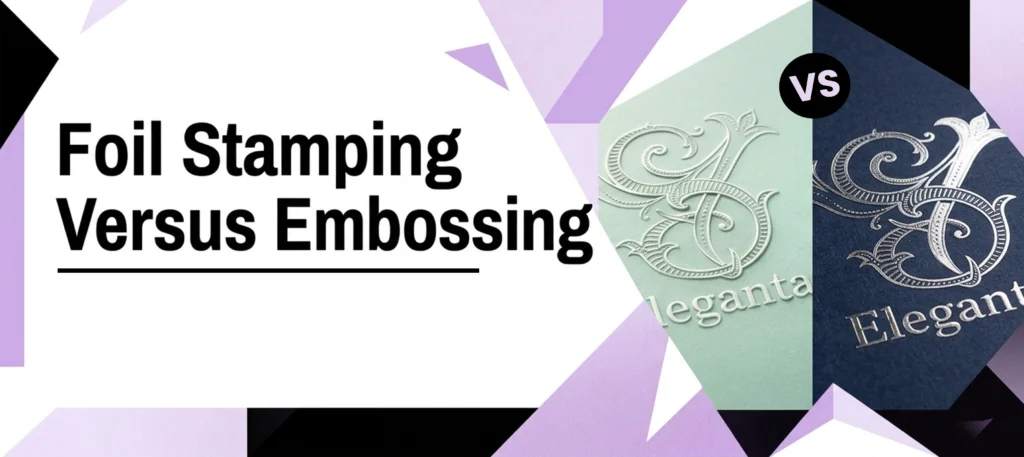
Foil stamping adds color and shine. Embossing raises the surface without adding any material at all, using a die and a counter die to press a design up from beneath. The two are often combined: a foil stamped design that is also embossed reads as a raised, metallic accent rather than a flat one, which is why the combination shows up so often on premium packaging.
Foil Stamping on Custom Boxes Deals Packaging
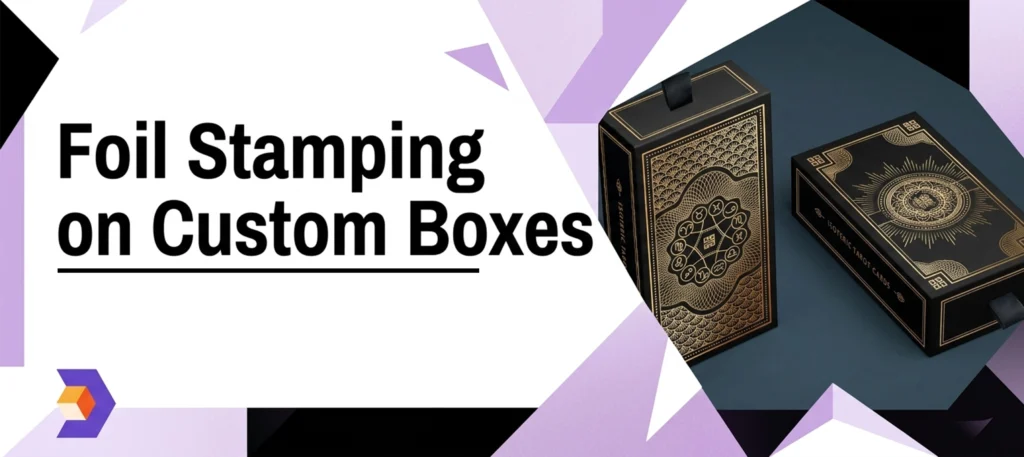
Foil and embossing are both available finishes here, alongside matte and gloss lamination and Spot UV. What that looks like depends on the material and box style chosen, since not every finish suits every construction. A gold foil perfume box puts the finish on rigid stock built for a retail shelf. Where a project calls for a different structure entirely, custom rigid boxes is the starting point for that conversation rather than the finish itself.
Frequently Asked Questions

What is foil stamping exactly?
A printing process that presses a thin metallic or pigmented film onto a surface using a heated die, or in the cold foil version, an ultraviolet cured adhesive with no heat or die at all.
When was foil stamping invented?
The mechanized, patentable version dates to 1892, when Ernst Oeser recorded the first hot stamping patent in Germany. Gold leaf decoration by hand is much older; foil stamping as an industrial process is not.
What is the difference between hot foil and cold foil?
Hot foil uses a heated engraved die and slightly debosses the surface. Cold foil uses a UV cured adhesive applied through a printing plate and pure pressure, with no heat and no die, which makes the tooling cheaper and faster to produce.
Is foil stamping the same as embossing?
No. Foil stamping adds a colored or metallic film. Embossing raises the surface with no added material. The two are frequently combined on the same design.
Is foil stamped packaging recyclable?
Fiber based foil decorated materials are recyclable and are being sorted by material recovery facilities today, according to the Foil and Specialty Effects Association’s own research. The full construction of a specific box, not the foil accent alone, decides the real answer for any one product.
Does foil stamping work on every material?
No single finish suits every material or box style. Availability depends on the construction chosen, which is confirmed for the specific project rather than assumed from a general list.

Anthony Kim
Hello, I'm Anthony Kim, a seasoned packaging consultant and designer. With a professional journey spanning over four years, I've evolved from a budding designer to a recognized expert in the field. Currently holding the position of Packaging Consultant, I've honed my skills in creating not just visually stunning packaging but also solutions that align with strategic business goals.
View all articles →