
Request Your Custom Quote
Tell us what you need. Our team normally replies within one business day.
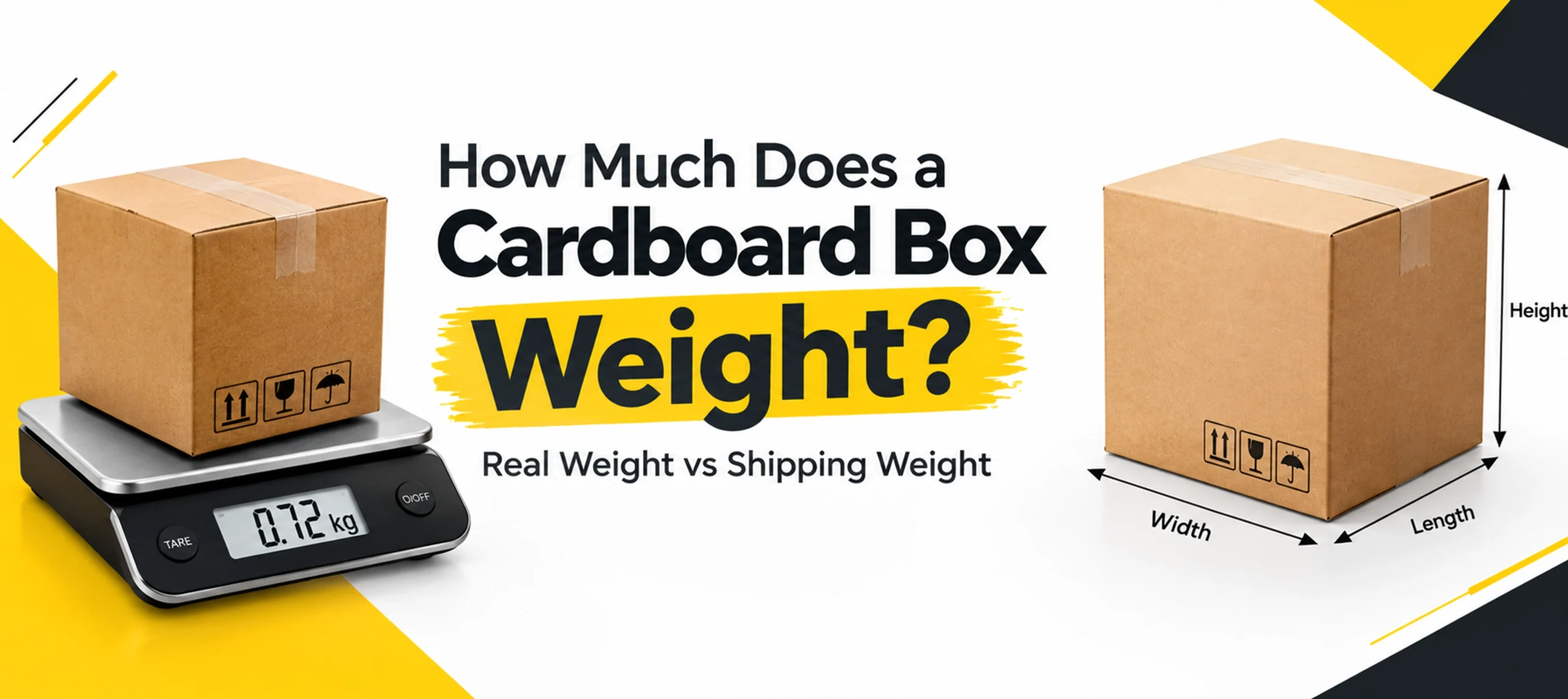
How Much Does a Cardboard Box Weigh? Real Weight vs Shipping Weight
 By
By A standard 12 by 12 by 12 inch single wall box weighs about 15 ounces empty, just under a pound. A 6 by 6 by 6 inch box weighs about 4 ounces. If you have seen a much bigger number for a custom rigid box or a standard shipping box, that bigger number is very likely dimensional weight, a shipping billing figure, not the box on a scale. Both numbers matter, and they answer different questions. This guide gives you both, and shows you where the confusion actually comes from.
How Much Does a Cardboard Box Actually Weigh?
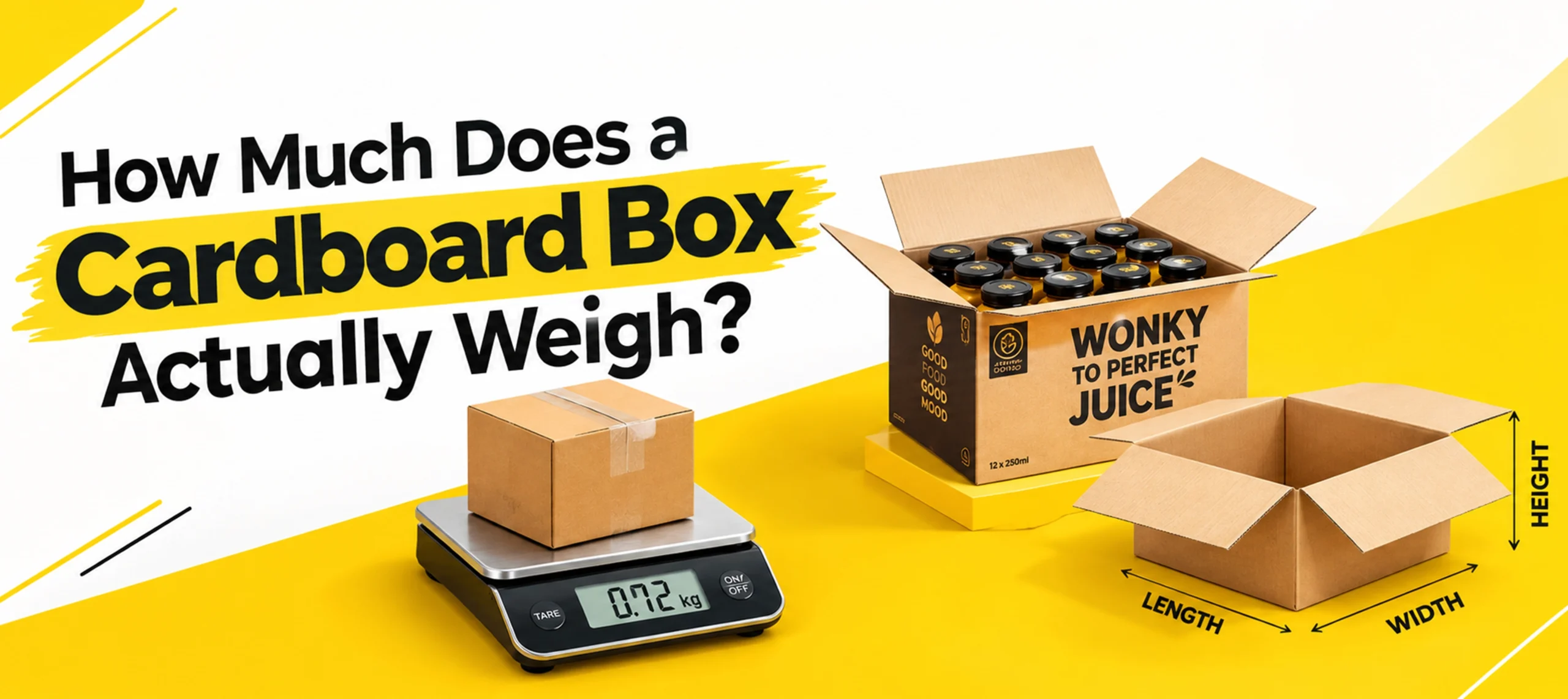
So, how much does a cardboard box weigh in practice? Empty box weight scales with size and wall count, and the numbers are more consistent across sources than you might expect.
A 6 by 6 by 6 inch box weighs about 4 ounces.
A 12 by 12 by 12 inch box weighs about 15 ounces.
A 20 by 20 by 20 inch box weighs about 42 ounces, or 2.6 pounds.
A typical mailer box weighs 2 to 9 ounces, depending on size.
Double wall and triple wall boxes weigh more for the same outer size, because there is more material inside the walls. A double wall version of a 12 by 12 by 12 box runs closer to 1.5 to 2 pounds. Triple wall, reserved for heavy freight, can run 3 to 4 pounds at that same size.
Does Box Material Change the Weight?
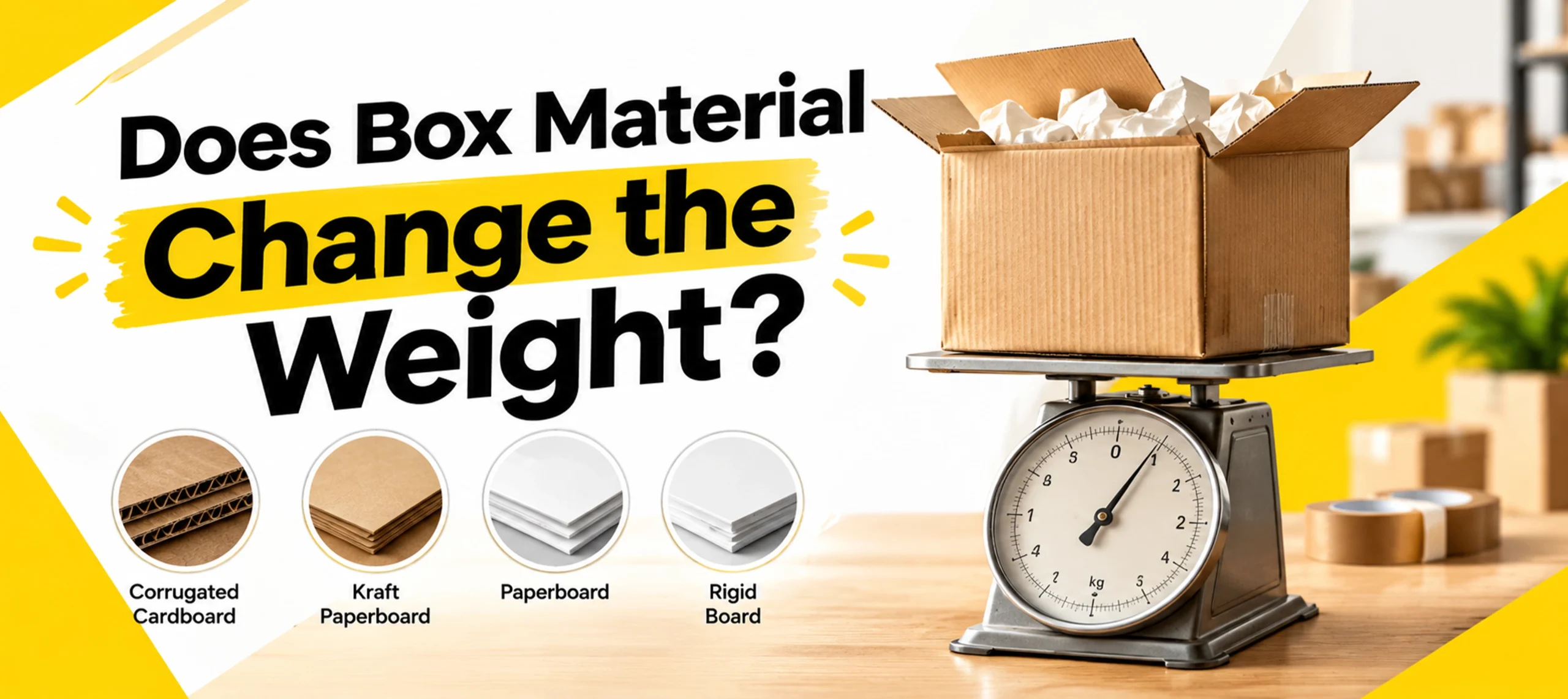
Yes, and the material matters as much as the size.
Flat paperboard, the material behind a folding carton or a custom apparel box, is the lightest option. No fluted layer inside adds weight.
Single wall corrugated is the standard shipping material, one fluted layer between two liners. This is what the sizes above measure.
Kraft paper boxes sit close to paperboard in weight, slightly heavier depending on the caliper used.
Double and triple wall corrugated step up from there, covered above.
What Is Dimensional Weight, and Why Does It Matter More Than the Real Weight?
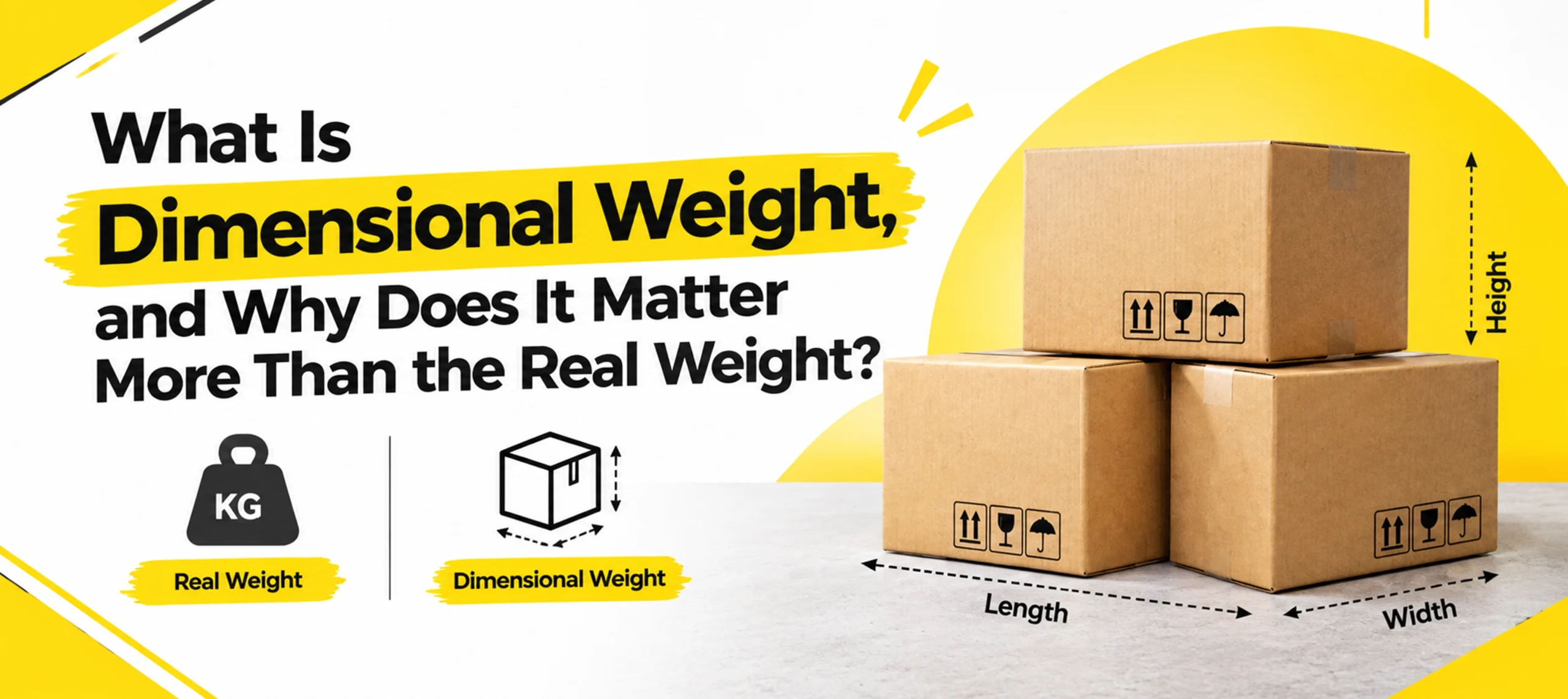
This is the part that actually causes confusion, including on other sites covering this exact topic.
Dimensional weight is not a box’s real weight. It is a shipping industry formula, length times width times height, divided by a carrier’s divisor. Wikipedia’s entry on dimensional weight defines it as “an estimated weight that is calculated from the length, width and height of a package,” used because carriers charge for the greater of dimensional weight or actual weight, not actual weight alone.
Divisors vary by carrier. FedEx and UPS international shipments commonly use 139. USPS domestic shipments commonly use 194. A 12 by 12 by 12 inch box divided by 166, a divisor used by some carriers for US domestic parcels, works out to 10.4 pounds. That 10.4 is a real number, and it is a real shipping calculation. It is not what the empty box weighs on a scale, which is closer to 15 ounces for that same box.
Confusing the two is an easy mistake, and it means overestimating your actual shipping weight by roughly ten times if you mistake one for the other.
How Do You Calculate a Box’s Weight Yourself?
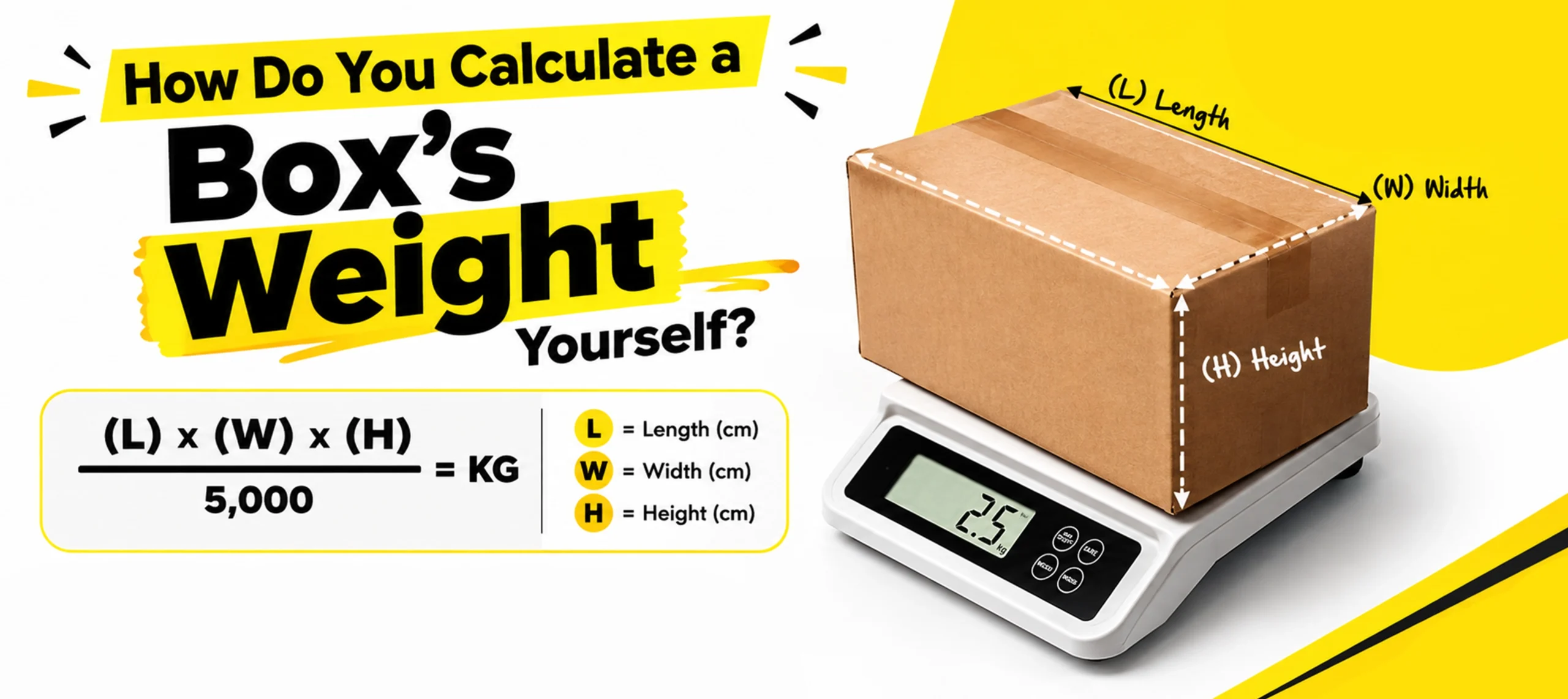
If you need a number for a box that is not in a standard chart, the formula uses surface area, wall thickness and material density.
Estimate the box’s total surface area in square inches. Multiply by the wall thickness. Multiply that by the material’s density, about 0.69 grams per cubic centimeter for standard corrugated board. Convert the result to ounces or pounds.
This gives an estimate, not a lab measurement. Real board weight shifts a little with moisture. Corrugated sitting in a humid warehouse can pick up 2 to 4 percent extra weight just from the air around it.
How Do You Choose the Right Box Weight for Shipping?
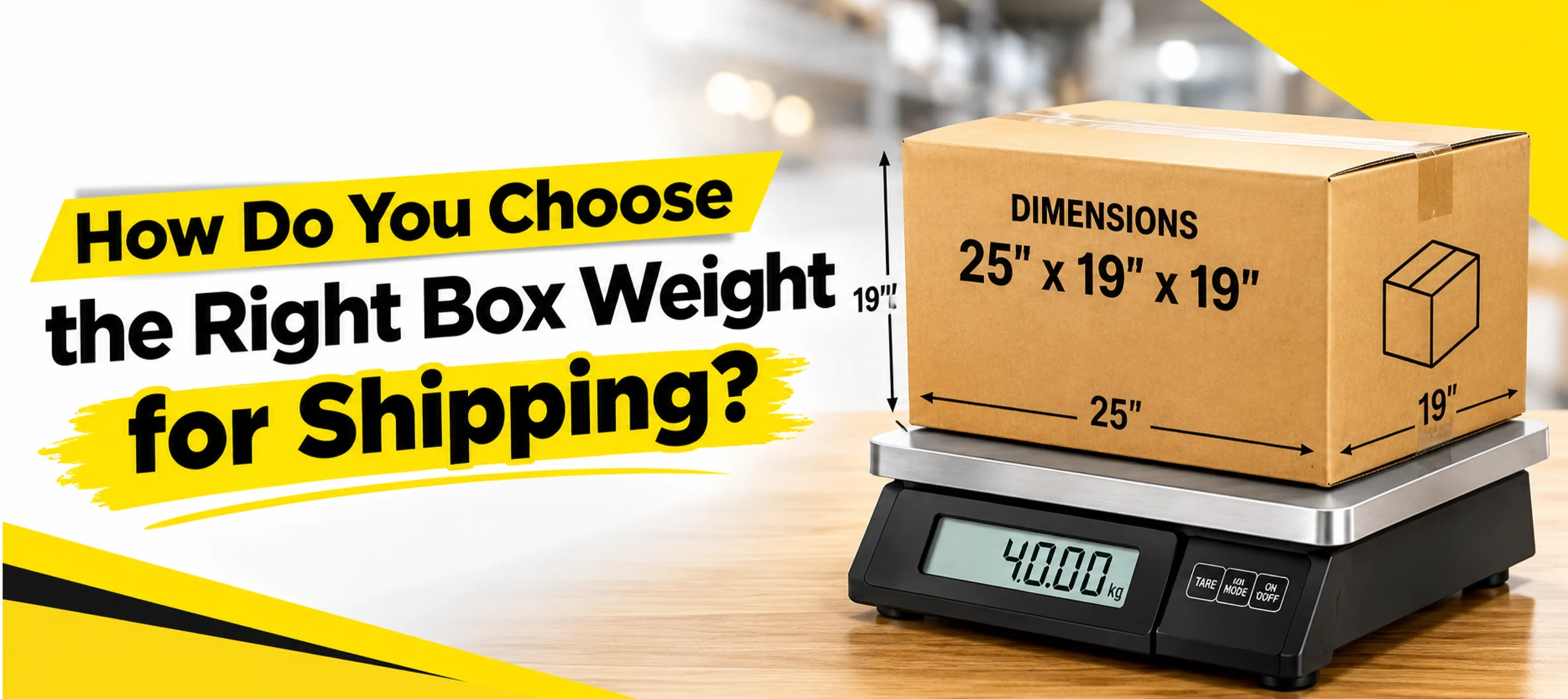
The right weight depends on what has to survive the trip, not on picking the lightest option available.
For a light, low value item, a single wall box keeps shipping weight down without adding real risk. For anything fragile, or anything going through multiple handoffs, custom insert boxes add protection with far less added weight than jumping to a heavier wall count.
At Custom Boxes Deals we manufacture directly, not through third parties. Materials include kraft, corrugated, rigid board, SBS and cardstock, so you are not paying for more wall than the product needs. Design support is free, with no design fees, and a free 3D mockup comes before production approval. Our minimum order is 100 units per design.
Not sure which shape fits your product before you weigh the material question at all? Our box style guide covers that first.
Frequently Asked Questions

How much does a 12x12x12 cardboard box weigh?
About 15 ounces empty for a single wall box, not the 10.4 pounds some sites list. That larger number is dimensional weight, a shipping billing calculation, not the box’s actual weight.
What is the difference between actual weight and dimensional weight?
Actual weight is what the box reads on a scale. Dimensional weight is a calculated figure based on the box’s size, used by carriers to charge for the greater of the two. They answer different questions and are not interchangeable.
How much does an average cardboard box weigh?
Most single wall boxes used for retail and small shipments weigh between 4 ounces and 3 pounds empty, depending on size. Larger and multi wall boxes weigh more.
Does a heavier cardboard box mean a stronger box?
Generally yes within the same material, since more wall layers and thicker board add both weight and strength. But a well chosen single wall box for a light item is not weaker for the job it is doing.
Does humidity affect cardboard box weight?
Yes. Corrugated board absorbs moisture from the air, and a box stored in a humid space can weigh 2 to 4 percent more than the same box in a dry one.
How do carriers calculate dimensional weight?
Length times width times height, in inches, divided by a carrier specific divisor, commonly 139, 166, or 194 depending on the carrier and the shipment type. The shipment is billed at whichever is greater, dimensional weight or actual weight.

Anthony Kim
Hello, I'm Anthony Kim, a seasoned packaging consultant and designer. With a professional journey spanning over four years, I've evolved from a budding designer to a recognized expert in the field. Currently holding the position of Packaging Consultant, I've honed my skills in creating not just visually stunning packaging but also solutions that align with strategic business goals.
View all articles →