Request Your Custom Quote
Tell us what you need. Our team normally replies within one business day.
Types of Packaging Materials: What Each One Actually Is
 By
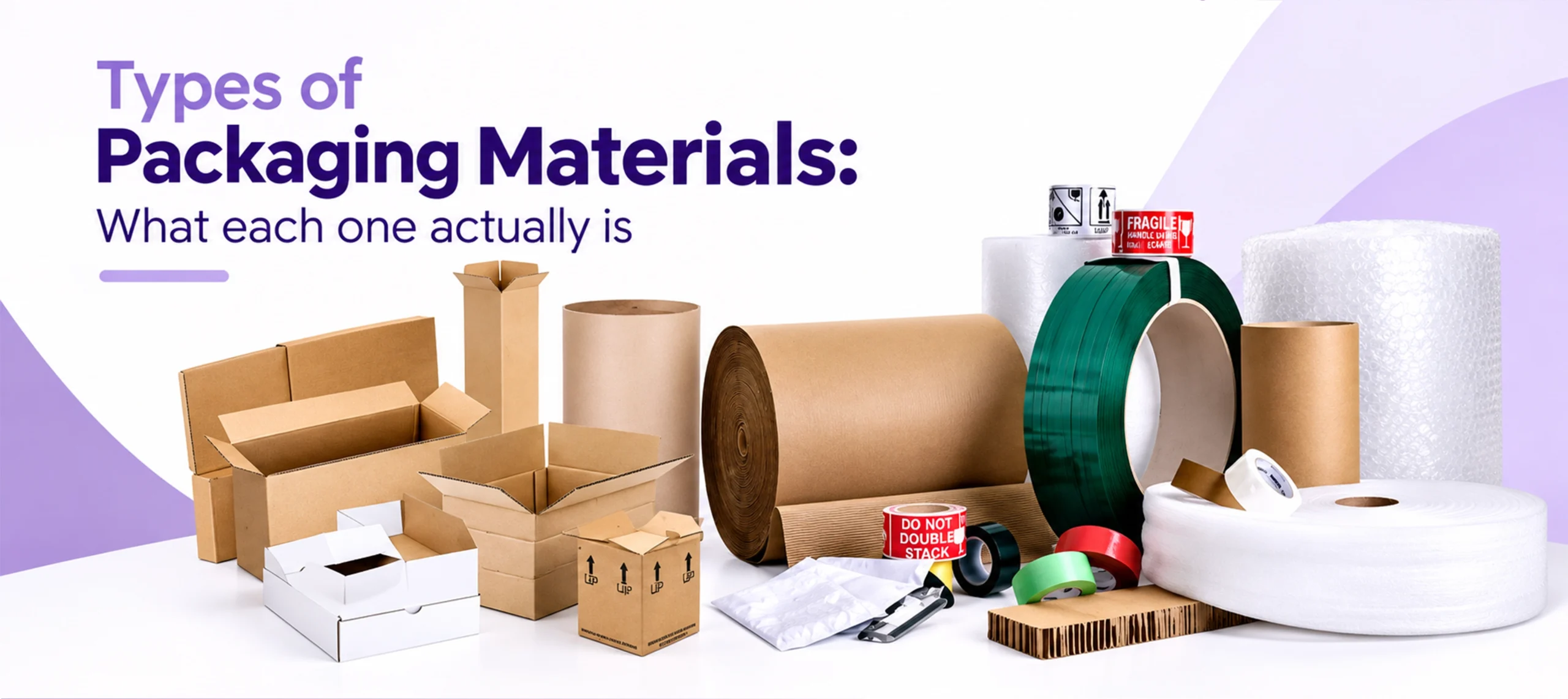
By Packaging materials fall into a handful of real categories. Corrugated board, kraft paper, rigid board, paperboard and a few specialty stocks cover most of what shows up on a shelf or in a shipment. Here is what each one actually is, corrected against real sourcing rather than repeated from an old list.
Cardstock
Cardstock is a thick, sturdy paper. It is heavier than standard printer paper but lighter than true paperboard. It takes a smooth print surface well. That is why it shows up on business cards, postcards and the inside finishing of a package. It comes in a range of weights and finishes. The right cardstock depends on the size, texture and color a project actually needs.
Corrugated Board
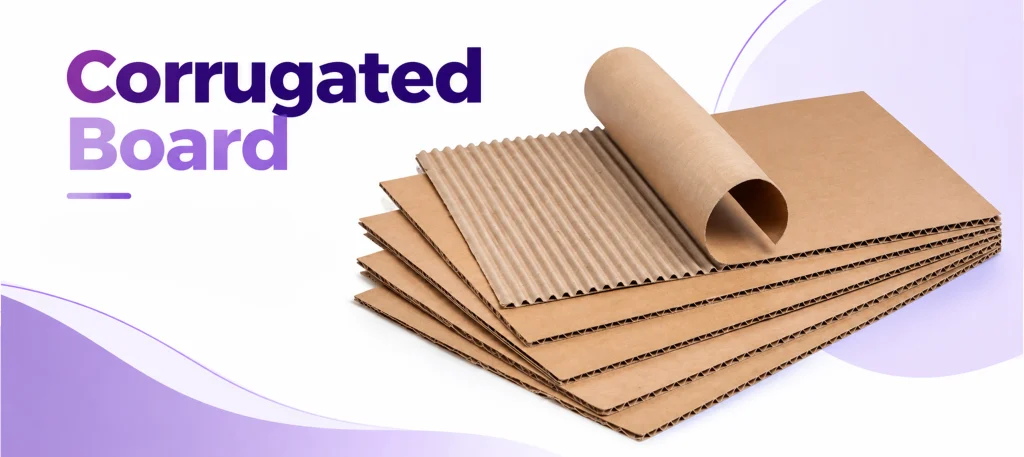
Corrugated board is sometimes called corrugated cardboard or corrugated fiberboard. It is one material under two common names, not two different ones. It has three layers: an outer liner, an inner liner and a fluted medium glued between them. That flute is what gives corrugated its strength and cushioning. It is the standard choice for shipping boxes and anything that needs to survive handling and transit.
Kraft Paper
Kraft paper gets its strength from how it is made, not from a fixed ingredient percentage. The kraft process treats wood chips with sodium hydroxide and sodium sulfide. That dissolves out the lignin and leaves strong cellulose fibers behind. The name comes from the German and Swedish word for strength. This process, called kraft or sulfate pulping, is what makes the paper durable and lightweight. It suits shipping and food packaging well, and it is genuinely recyclable.
Rigid Board
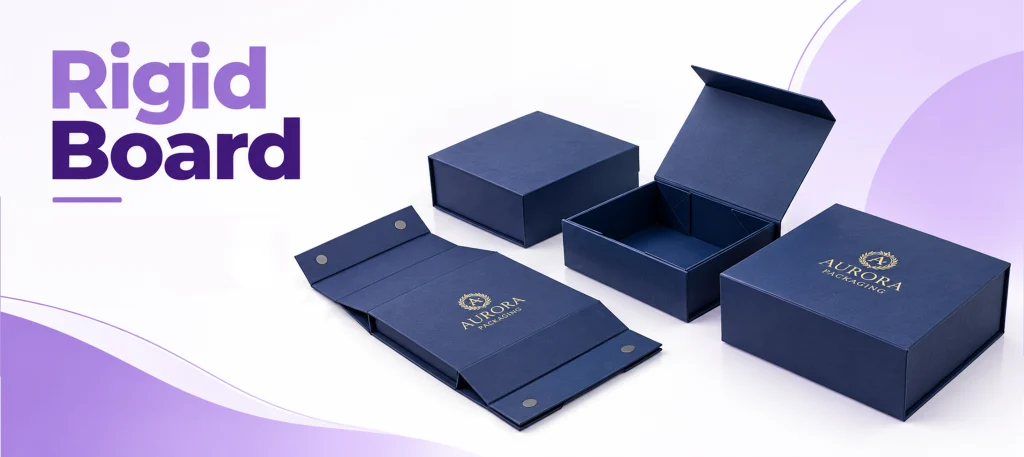
Rigid board is made by compressing layers of paper fiber under heavy pressure. A binding agent holds the layers together. The result holds its shape well, unlike a folding carton. It supports premium finishes like foil, embossing and soft touch coating. That is why it shows up on jewelry, cosmetics and gift packaging, where the box itself is part of the experience.
Bleach Card
Bleach card sits between ordinary cardboard and paperboard in weight and finish. It is common in the cleaning products industry. Firms use it to hold down packaging cost while keeping products protected. It is a narrower, more specific material than cardstock or paperboard, built for a particular kind of retail packaging job.
Bux Board
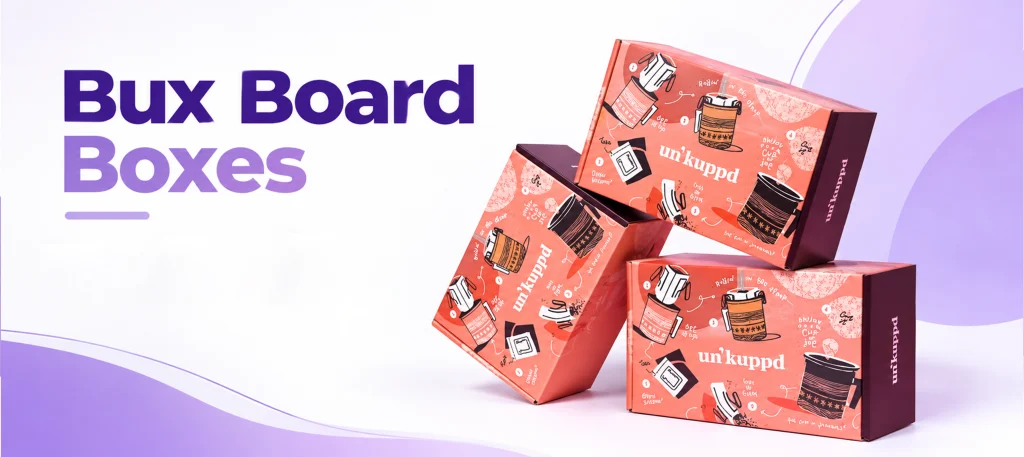
Bux board, more precisely called buxboard or CCNB, is a single ply paperboard. The front is white and clay coated, built for printing. The back is gray or uncoated, and it shows the material’s recycled fiber content. It is not the same thing as corrugated board, and it is not built by layering corrugated stock. It is a distinct, single sheet material, generally less expensive than kraft or corrugated, and durable enough for retail packaging like shoe boxes.
Paperboard
Paperboard is a lightweight but sturdy material made from wood fiber or recycled paper. It folds and cuts into a wide range of shapes. Solid bleached sulfate paperboard, usually shortened to SBS, is a common grade made almost entirely from bleached chemical pulp. It gives a clean, bright white surface that takes color printing well. That is why it shows up on cosmetics, food and pharmaceutical packaging, where shelf appearance matters.
Aluminum Foil
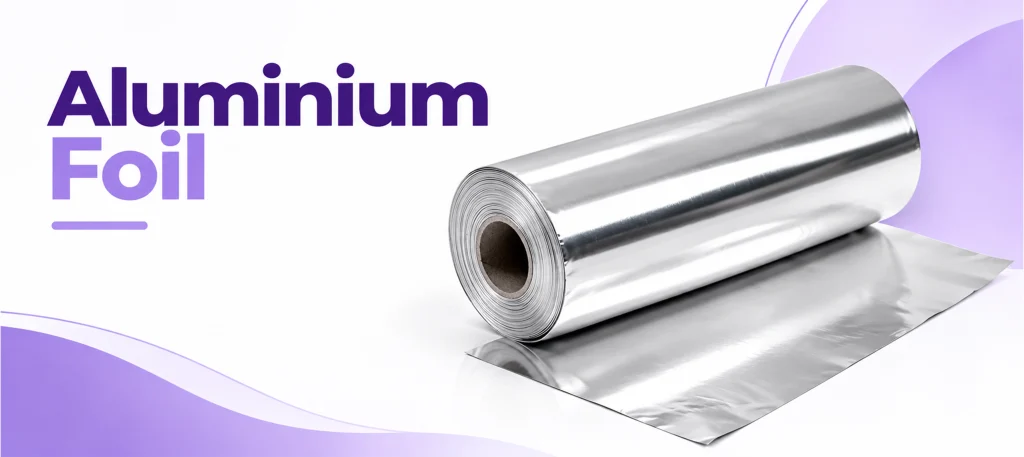
Aluminum foil is thin and flexible. It is an effective barrier against light, moisture and air, which is why it shows up in food, cosmetic and chemical packaging as a laminate layer. It scratches and tears more easily than a rigid material. Because of that, it depends on the layers around it for physical protection. It is genuinely recyclable, and some manufacturers describe it as recyclable without any real limit on how many times.
The Real Recycling Numbers, Dated
A repeated figure claims corrugated fiberboard hit a 93 percent recovery rate. That number is real, but it is from 2016. Stating it without a year makes it sound current. AF&PA’s own 2024 announcement puts the actual 2024 US cardboard recovery rate at 69 to 74 percent. Corrugated is still one of the most recycled packaging materials in the country. The current number is simply lower than the decade old one still being repeated.
Plastic is the opposite story, and it is worse than an old figure suggests. A commonly repeated claim states only 8 percent of plastic waste gets recycled. Analysis of current EPA data puts the real current US plastic recycling rate at 5 to 6 percent. That is down from 8.7 percent in 2018. The paper based materials in this list start from a real structural advantage here that plastic does not have.
Choosing Between Them
Weight and fragility point toward corrugated. A retail shelf and a printed message point toward paperboard or kraft. A premium unboxing moment points toward rigid board. Cost control for a simple retail item points toward bux board or bleach card. None of these materials is universally best. Each one solves a different job.
Packaging Materials on Custom Boxes Deals Packaging
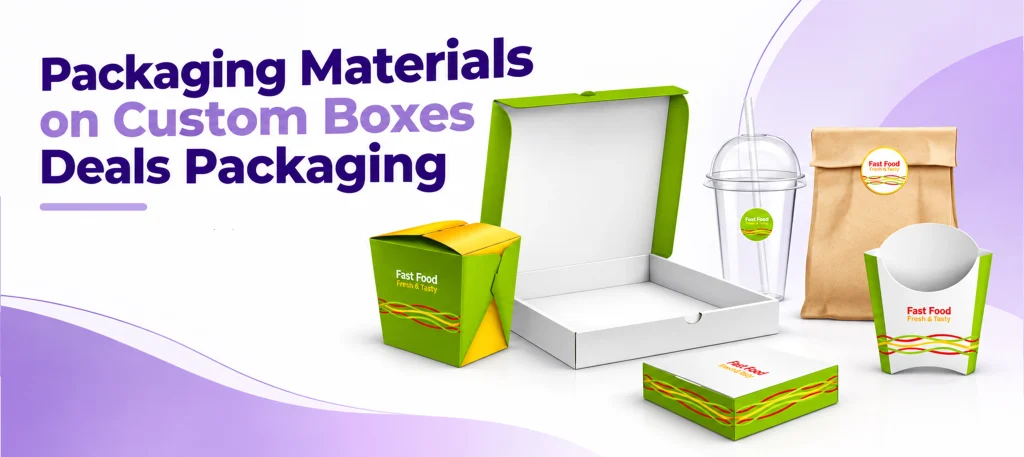
Rigid board and corrugated construction are both available here, built around the job the packaging actually needs to do. Custom rigid boxes covers the premium end of that range. It is built for products where the unboxing moment matters. Some barrier packaging needs a metalized film rather than paper. Custom mylar bags covers that flexible pouch packaging, with real moisture and light protection.
Frequently Asked Questions
What are the main types of packaging materials?
Corrugated board, kraft paper, rigid board, paperboard and specialty stocks like cardstock, bleach card and bux board cover most packaging. Corrugated cardboard and corrugated fiberboard are the same material under two names, not two separate ones.
Is corrugated cardboard the same thing as corrugated fiberboard?
Yes. Both names describe the same three layer construction: an outer liner, an inner liner and a fluted medium between them.
What makes kraft paper different from regular paper?
Kraft paper is made through a chemical pulping process, called the kraft or sulfate process, that dissolves lignin out of wood chips with sodium hydroxide and sodium sulfide, leaving strong cellulose fibers behind. It is a process, not a fixed ingredient percentage.
Is bux board the same as corrugated board?
No. Bux board, or buxboard, is a single ply paperboard with a clay coated printable front and a recycled uncoated back. Corrugated board has a fluted layer glued between two liners, a different construction entirely.
Is corrugated cardboard actually recyclable?
Yes. The real, current 2024 US cardboard recovery rate is 69 to 74 percent, according to the paper industry’s own trade association. That is lower than an often repeated 2016 figure of 93 percent, but corrugated remains one of the most recycled packaging materials in the country.
Is plastic packaging as recyclable as paper based packaging?
No. The real current US plastic recycling rate is around 5 to 6 percent, based on recent analysis of EPA data, down from 8.7 percent in 2018. Paper based materials like corrugated and kraft recycle at far higher rates.

Anthony Kim
Hello, I'm Anthony Kim, a seasoned packaging consultant and designer. With a professional journey spanning over four years, I've evolved from a budding designer to a recognized expert in the field. Currently holding the position of Packaging Consultant, I've honed my skills in creating not just visually stunning packaging but also solutions that align with strategic business goals.
View all articles →